Fever dreams are vivid, bizarre, and often unsettling dreams that occur when your body temperature rises above 100.4°F. If you’ve ever woken up from a strange, intense dream while sick, you’ve likely had a fever dream.
In this article, BTA will explain what fever dreams are, their causes and traits, and how to manage them with expert insights.
What Is a Fever Dream?
A fever dream is a type of dream experienced during a fever, often linked to illness, infection, or elevated body temperature. Unlike regular dreams, fever dreams are more vivid, surreal, and emotionally charged, frequently leaving a lasting impression. They typically occur during REM (Rapid Eye Movement) sleep, when dreams are most intense, and are often remembered due to their disruptive nature.
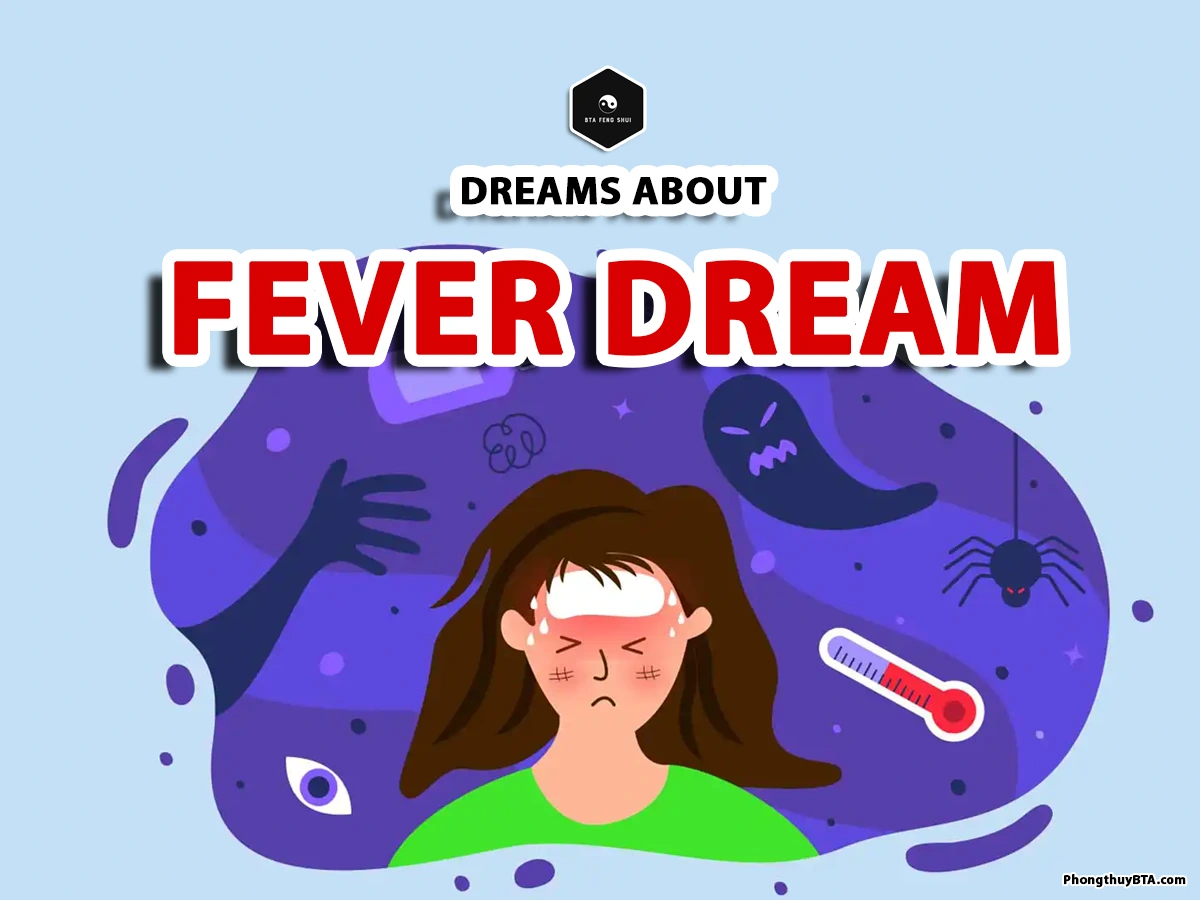
Fever dreams can feel disorienting, with themes of heat, danger, or surreal imagery. While not inherently dangerous, they can be unsettling, prompting questions like “What does a fever dream mean?” or “Are fever dreams dangerous?” Let’s dive deeper into their nature and causes.
What Causes Fever Dreams?
The exact cause of fever dreams remains unclear, but research points to several contributing factors:
- Elevated Body Temperature: A fever, defined as a body temperature above 100.4°F, disrupts normal brain function. The hypothalamus, which regulates temperature and sleep, may struggle during fever, leading to altered REM sleep patterns and vivid dreams.
- Brain Activity Changes: High temperatures can impair cognitive processing, making dreams more bizarre or fragmented. This “overheated brain” theory suggests fever affects how the brain constructs dream narratives.
- Physical Discomfort: Symptoms like chills, sweating, or body aches can influence dream content, often incorporating sensations of heat, illness, or discomfort.
- Illness or Infection: Common triggers include viral infections (e.g., flu, COVID-19), bacterial infections (e.g., pneumonia), or conditions like malaria, which cause significant fever.
- External Factors: Hyperthermia from environmental factors, such as heat exhaustion, can also induce fever-like dreams.
- Psychological Factors: Individuals with conditions like depression or sleep disorders may be more susceptible to fever dreams, as fever amplifies emotional and cognitive distress.
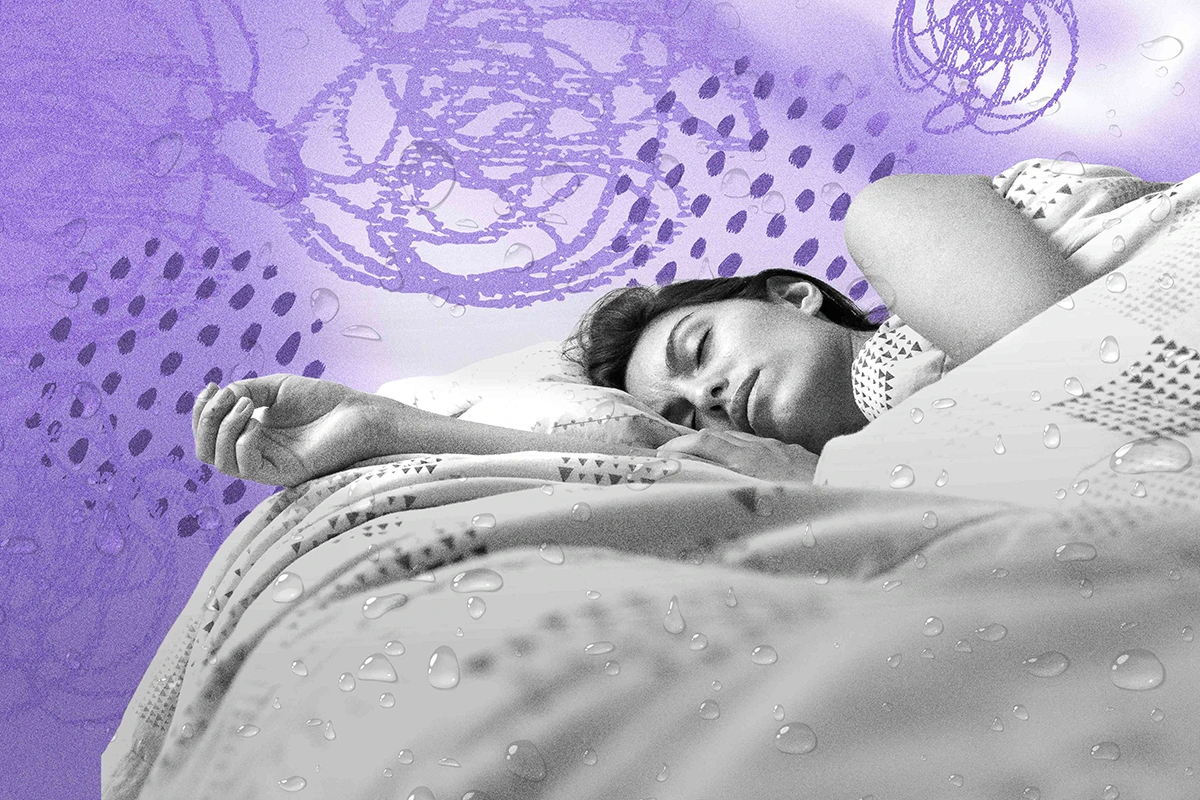
These factors combine to create dreams that feel more intense and unusual than typical dreams, often leading to questions like “Why are fever dreams so weird?”
Characteristics of Fever Dreams
Fever dreams differ from regular dreams in several key ways, as noted in studies and anecdotal reports:
- Vivid and Bizarre Content: Fever dreams often feature surreal scenarios, such as melting objects, distorted spaces, or fantastical creatures. For example, a dreamer might see shifting walls or encounter alien-like beings.
- Emotional Intensity: These dreams are frequently negative, evoking fear, sadness, or confusion. They may include threats, such as menacing animals or impending danger.
- Health and Temperature Themes: Common motifs include heat, fire, or illness-related imagery, reflecting the body’s physical state. A dreamer might experience scenarios involving burning landscapes or overwhelming warmth.
- High Recall: Due to their intensity and frequent sleep disruptions, fever dreams are more likely to be remembered than regular dreams.
- Repetitive or Looping Narratives: Some report dreams that repeat, creating a sense of being trapped in a cycle, such as endlessly performing an impossible task.

These characteristics make fever dreams feel uniquely unsettling, often prompting questions like “What do fever dreams mean?” or “Why do fever dreams happen?”
Read more:
- Teeth Falling Out Dream Meaning: 10 Key Interpretations
- Flying Dream Meaning: Spiritual and Symbolic Insights Revealed
- What Do Dreams About Falling Mean? Uncover Hidden Messages
- What Do Dreams About Being Chased Really Mean?
Fever Dreams vs. Nightmares vs. Lucid Dreams
Understanding how fever dreams compare to other dream types can clarify their unique nature:
- Fever Dreams vs. Nightmares: While both can be distressing, fever dreams are triggered by elevated body temperature and often include surreal or health-related imagery. Nightmares, on the other hand, stem from stress, anxiety, or trauma and occur during normal sleep cycles. Nightmares may focus on fear or danger without the bizarre, fever-induced elements.
- Fever Dreams vs. Lucid Dreams: Fever dreams are chaotic and uncontrollable, driven by physiological changes. In contrast, lucid dreams involve awareness of dreaming, sometimes allowing control over the dream’s narrative. About 40% of fever dreams may feel lucid, but they lack the intentionality of true lucid dreams.
Do Fever Dreams Have Meaning?
The fever dream meaning is subjective and not fully understood. Unlike regular dreams, which may reflect subconscious thoughts or emotions, fever dreams are heavily influenced by physical states. They often incorporate elements of the dreamer’s current condition, such as heat or discomfort, but don’t carry specific symbolic meaning. For example:
- A dream of fire or melting objects may reflect the body’s elevated temperature.
- Scenarios involving danger or illness might mirror the dreamer’s physical or emotional distress.

From a psychological perspective, some experts suggest fever dreams can tap into subconscious fears or unresolved anxieties, especially those rooted in childhood. However, their primary driver is physiological, not psychological, making traditional dream interpretation less applicable.
In the context of Feng Shui, fever dreams might be seen as a reflection of temporary energetic imbalances caused by illness. While not a core focus of feng shui, maintaining a balanced environment—through restful spaces and calming energies—can support recovery and potentially reduce the intensity of such dreams.
Are Fever Dreams Dangerous?
Fever dreams are not inherently harmful. Since most dreams occur during REM sleep, when muscles are temporarily paralyzed, sleepers are unlikely to act out their dreams. However, their emotional intensity can disrupt sleep, leading to:
- Fragmented Sleep: Frequent awakenings due to vivid dreams or physical discomfort.
- Increased Anxiety: Disturbing dreams may cause fear of sleep or lingering unease.
- Fatigue: Poor sleep quality can leave you feeling groggy or unrested.
While fever dreams themselves are benign, a high or persistent fever (above 103°F) or accompanying symptoms like confusion, severe headache, or breathing difficulties warrant immediate medical attention, as they may signal a serious condition.
How to Prevent or Manage Fever Dreams
While fever dreams can’t be entirely prevented, managing fever and promoting restful sleep can reduce their likelihood and intensity:
Control Body Temperature:
- Take fever-reducing medications like ibuprofen or acetaminophen, as advised by a doctor.
- Stay hydrated with water or electrolyte drinks to prevent dehydration.
- Bathe in lukewarm water to cool the body gently.
Support Recovery:
- Get plenty of rest to help the immune system fight infection.
- Eat light, easy-to-digest foods (e.g., bananas, rice, applesauce, toast).
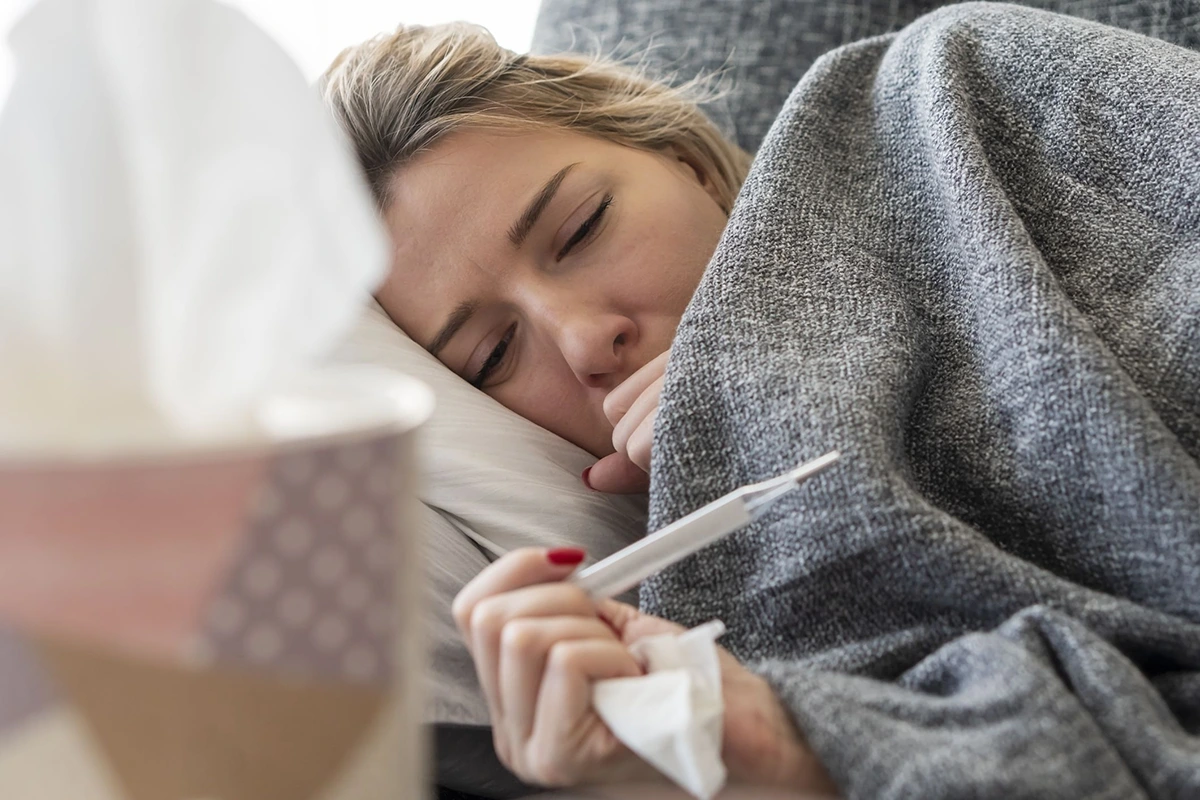
Create a Restful Environment:
- Keep your bedroom cool, well-ventilated, and humidified to ease discomfort.
- Use calming elements, like soft lighting or soothing scents, to promote relaxation.
Address Underlying Causes:
- Consult a doctor if fever persists beyond a few days or exceeds 103°F.
- Seek professional help if fever dreams evoke significant distress or seem linked to psychological conditions.
Fever Dreams in Kids
Fever dreams in kids are common, as children are more prone to high fevers during illness. These dreams may be particularly vivid or frightening, sometimes resembling night terrors. Parents can help by:
- Monitoring fever and seeking medical advice if it exceeds 102°F in children.
- Comforting the child after a disturbing dream, reassuring them it’s not real.
- Maintaining a cool, comfortable sleep environment to minimize disruptions.
Why Are Fever Dreams So Weird?
The surreal nature of fever dreams stems from the interplay of fever’s effects on the brain. Elevated temperatures disrupt normal REM sleep, increase brain activity, and amplify physical sensations, leading to dreams that feel chaotic or otherworldly.
The brain’s attempt to process discomfort—combined with altered neurochemistry—creates narratives that are often illogical, intense, or fantastical.
Fever dreams, though strange and unsettling, are a common response to fever and usually fade as the illness passes. By understanding their causes and how to manage them, you can handle these vivid experiences more comfortably.