Welcome to BTA Feng Shui’s ultimate aloe vera care guide! Whether you’re new to plants or an experienced grower, aloe vera is an easy, rewarding succulent that adds natural harmony to your space.
In this guide, you’ll learn how to grow and care for your aloe vera—from planting and watering to its unique Feng Shui benefits.
Why Choose an Aloe Vera Plant?
Aloe vera, a resilient succulent, is a favorite for its striking green leaves and versatile uses. Beyond its aesthetic appeal, aloe vera offers medicinal benefits, such as soothing burns and moisturizing skin.
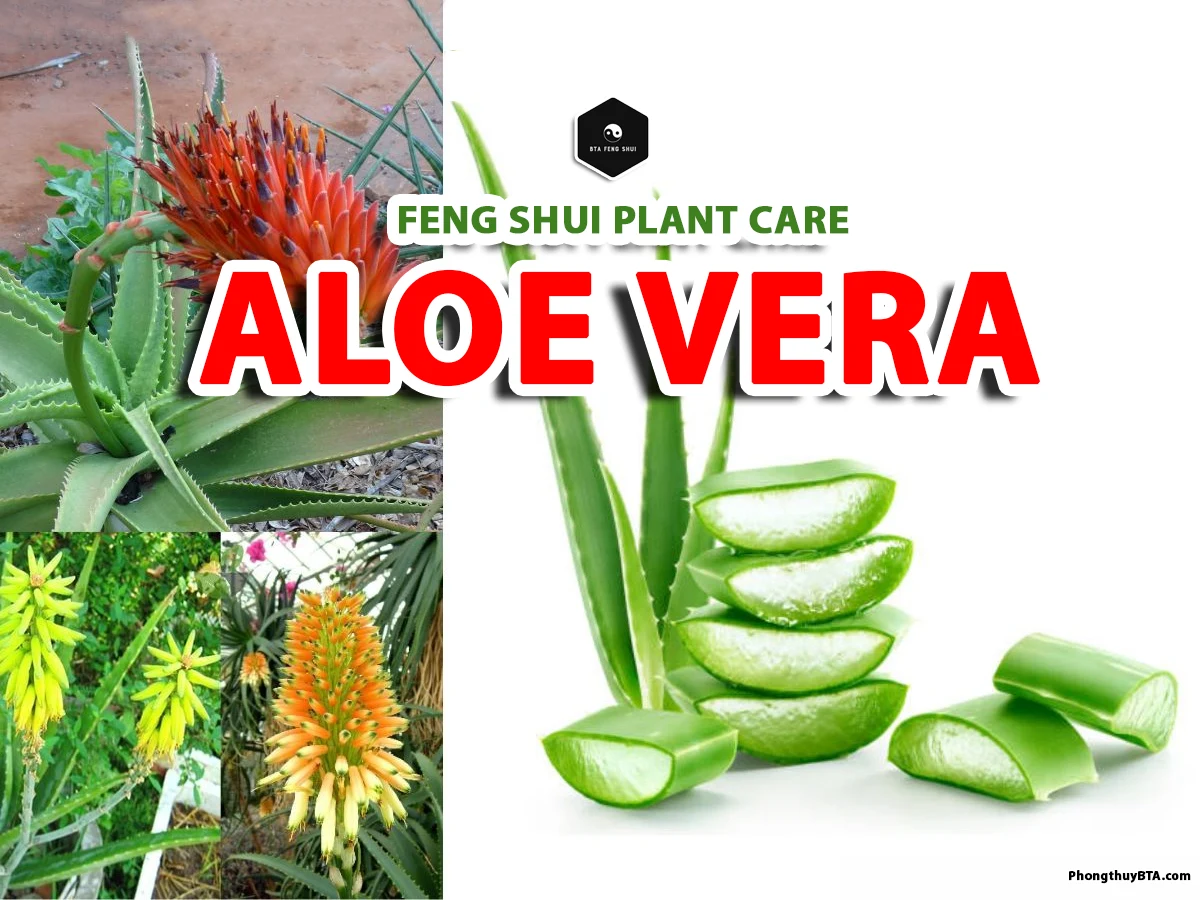
In Feng Shui, it’s prized for its Water element connection, promoting harmony, emotional healing, and prosperity when placed in the right areas of your home. Whether you’re growing aloe indoors or outdoors, this guide ensures your plant thrives while enhancing your space’s energy.
Aloe Vera at a Glance
- Common Names: Aloe vera, Chinese aloe, burn aloe, wand of heaven
- Botanical Name: Aloe barbadensis miller
- Family: Asphodelaceae
- Plant Type: Succulent, perennial
- Mature Size: 1–2 ft. tall, 1–2 ft. wide
- Sun Exposure: Bright, indirect light; partial shade outdoors
- Soil Type: Well-draining, sandy, cactus/succulent mix
- Soil pH: 7.0–8.5 (Neutral to slightly alkaline)
- Bloom Time: Spring, summer, or fall (rare indoors)
- Flower Color: Yellow, orange, red
- Hardiness Zones: 8–11 (USDA)
- Native Area: Arabian Peninsula
- Toxicity: Gel is safe for topical use; ingestion may cause nausea or toxicity in humans and pets
How to Plant an Aloe Vera Plant
Choosing the Right Pot and Soil
To set your aloe vera plant up for success, select a pot with drainage holes to prevent waterlogging, which can lead to root rot. Terra-cotta or porous pots are ideal as they allow soil to dry out between waterings.
Use a well-draining cactus or succulent potting mix, or create your own by combining equal parts potting soil, sand, and perlite. Avoid heavy garden soil, as it retains too much moisture.
Planting Steps
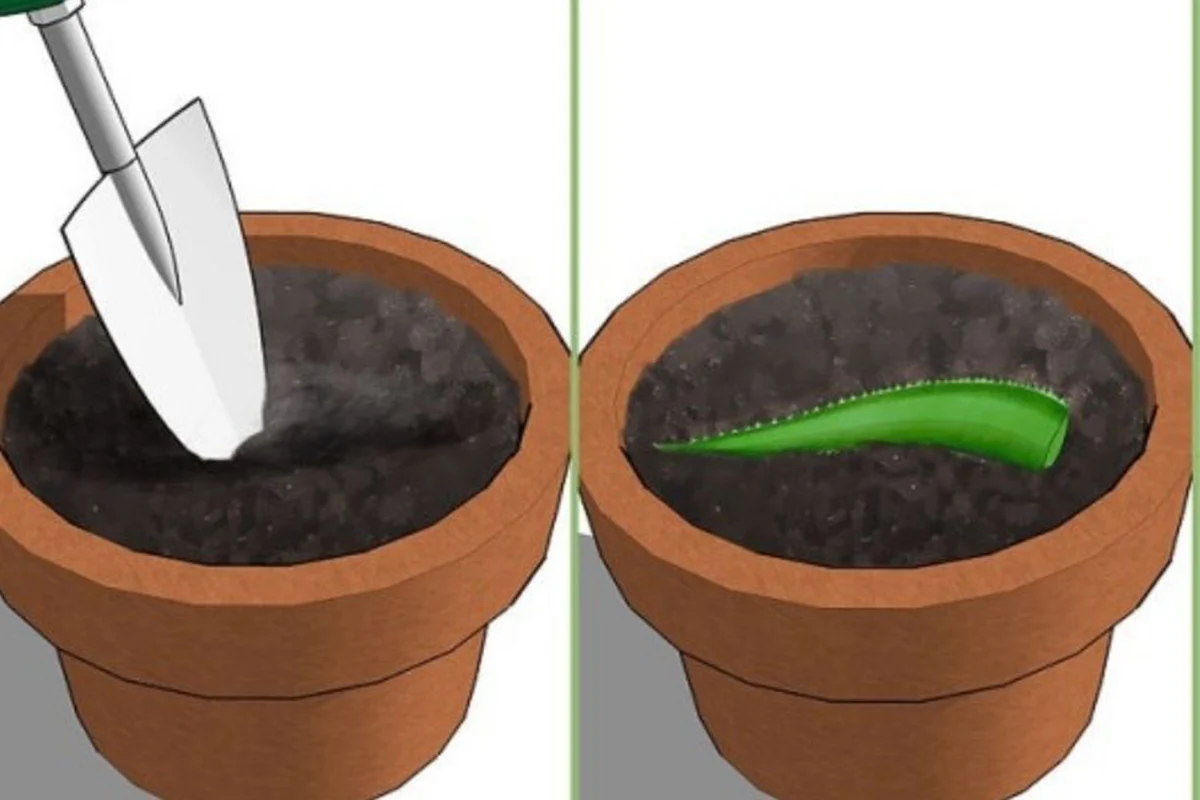
- Prepare the Pot: Place a small piece of mesh or paper towel over the drainage hole to prevent soil loss while allowing water to escape.
- Plant the Aloe: Fill the pot one-third with soil, position the plant so the roots are covered, and ensure the leaves sit just above the soil surface. Leave about ¾ inch of space between the soil and the pot’s rim.
- Post-Planting Care: Do not water for at least a week to allow the roots to settle and reduce the risk of rot. Place the pot in a warm spot with bright, indirect sunlight.
How to Care for an Aloe Vera Plant
Lighting Requirements
Aloe vera thrives in bright, indirect sunlight, making a south- or west-facing windowsill ideal. If growing outdoors, ensure temperatures stay above 60°F (16°C) and provide partial shade to prevent leaf burn.
Flat, stretched leaves indicate insufficient light, while brown or red leaves suggest too much direct sun. Adjust placement gradually to avoid shocking the plant.
Watering Aloe Vera
Watering is critical for aloe plant care. As a succulent, aloe vera stores water in its leaves, requiring deep but infrequent watering. Allow the top third of the soil (about 2 inches for a 6-inch pot) to dry out completely before watering again.
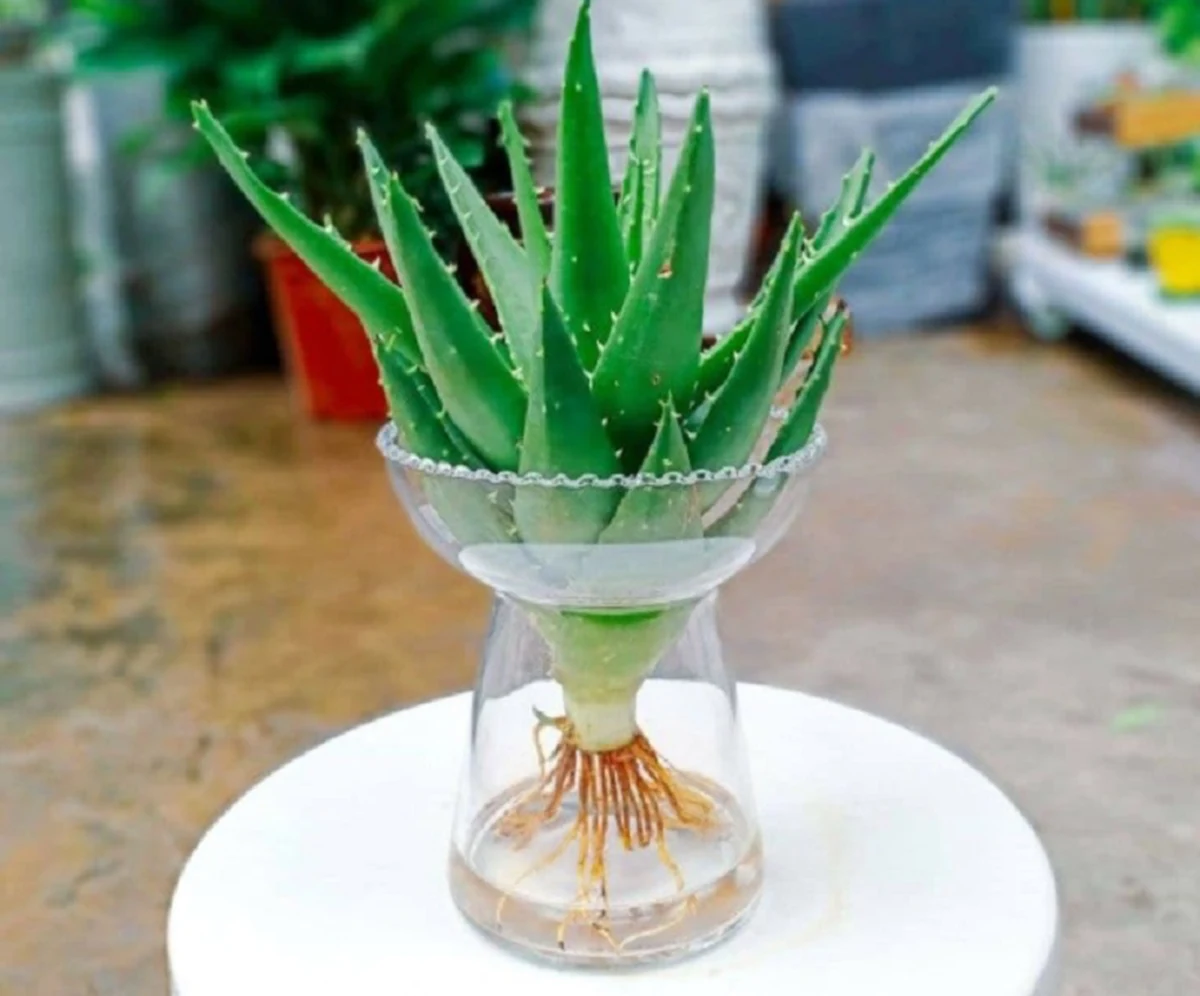
In spring and summer, water every 2–3 weeks; in fall and winter, reduce to every 4–6 weeks. Overwatering can cause yellow, mushy leaves, while underwatering leads to thin, curled leaves.
Temperature and Humidity
Aloe vera prefers temperatures between 55°F and 80°F (13°C–27°C), ideal for most indoor environments. It can tolerate outdoor conditions in USDA Hardiness Zones 8–11 but should be brought indoors if temperatures drop below 40°F. Low humidity is best, mimicking its arid native habitat.
Fertilizing
Fertilize sparingly, no more than once a month during spring and summer, using a balanced houseplant fertilizer diluted to half strength. Avoid fertilizing in fall and winter when the plant is dormant to prevent nutrient buildup.
Read more:
- Cactus Plant Care: How to Take Care of a Cactus Indoors
- Chinese Evergreen: Ultimate Care Guide for Aglaonema
- Corn Plant Care: Ultimate Guide to Dracaena Fragrans
- Ultimate Guide to Fern Care: Indoor & Outdoor Tips
- Ultimate Orchid Care Guide: Tips for Vibrant Blooms
Repotting and Propagation
Repotting Aloe Vera
Repot your aloe vera plant when it becomes root-bound or outgrows its pot, typically every 2–3 years. Choose a slightly larger pot, follow the planting steps above, and handle roots gently to avoid damage.
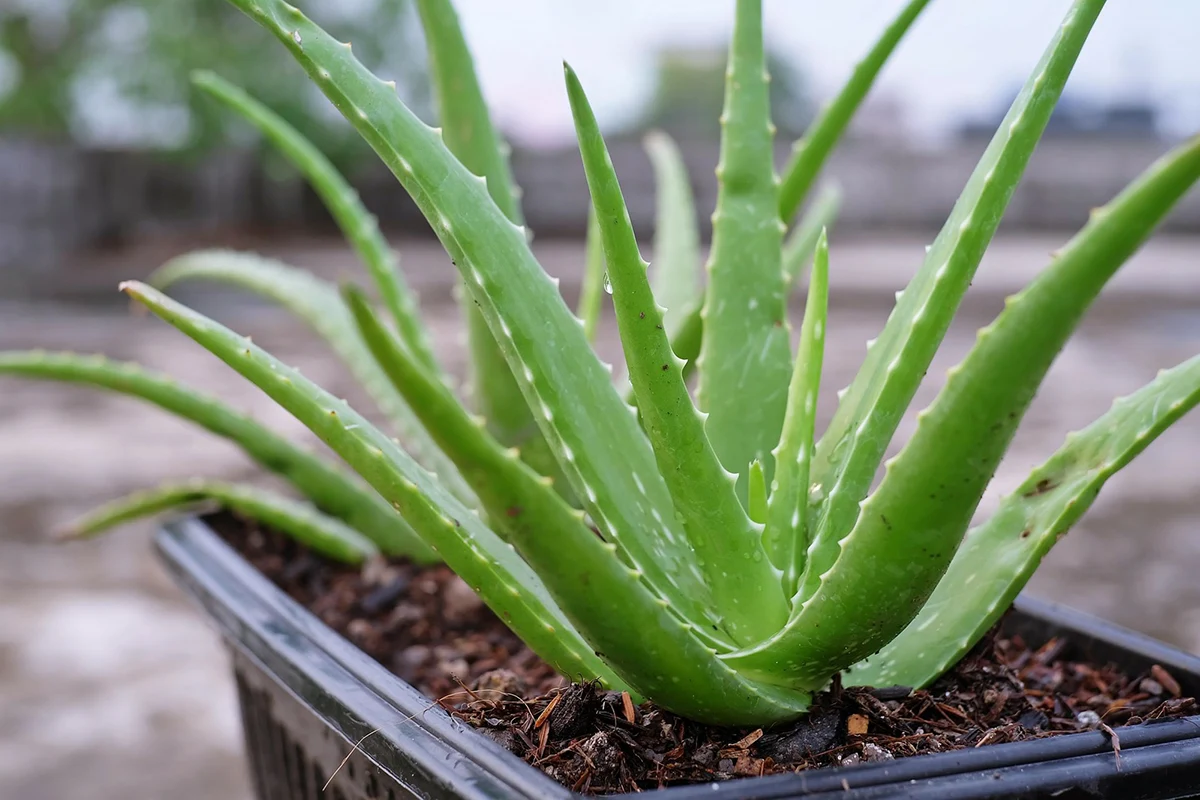
If the plant has a long, leggy stem, trim it carefully, let the cut callus for a few days, and replant in fresh soil.
Propagating Aloe Vera Pups
Mature aloe plants produce pups (small offsets) that can be separated to grow new plants:
- Remove Pups: Use a clean, sharp knife to separate pups from the mother plant, ensuring at least an inch of stem remains.
- Callus Formation: Let the pups sit in a warm, indirect light area for 2–3 days to form a callus over the cut.
- Plant Pups: Pot them in a well-draining succulent mix, water sparingly, and place in bright, indirect light.
How to Get Your Aloe Vera to Flower
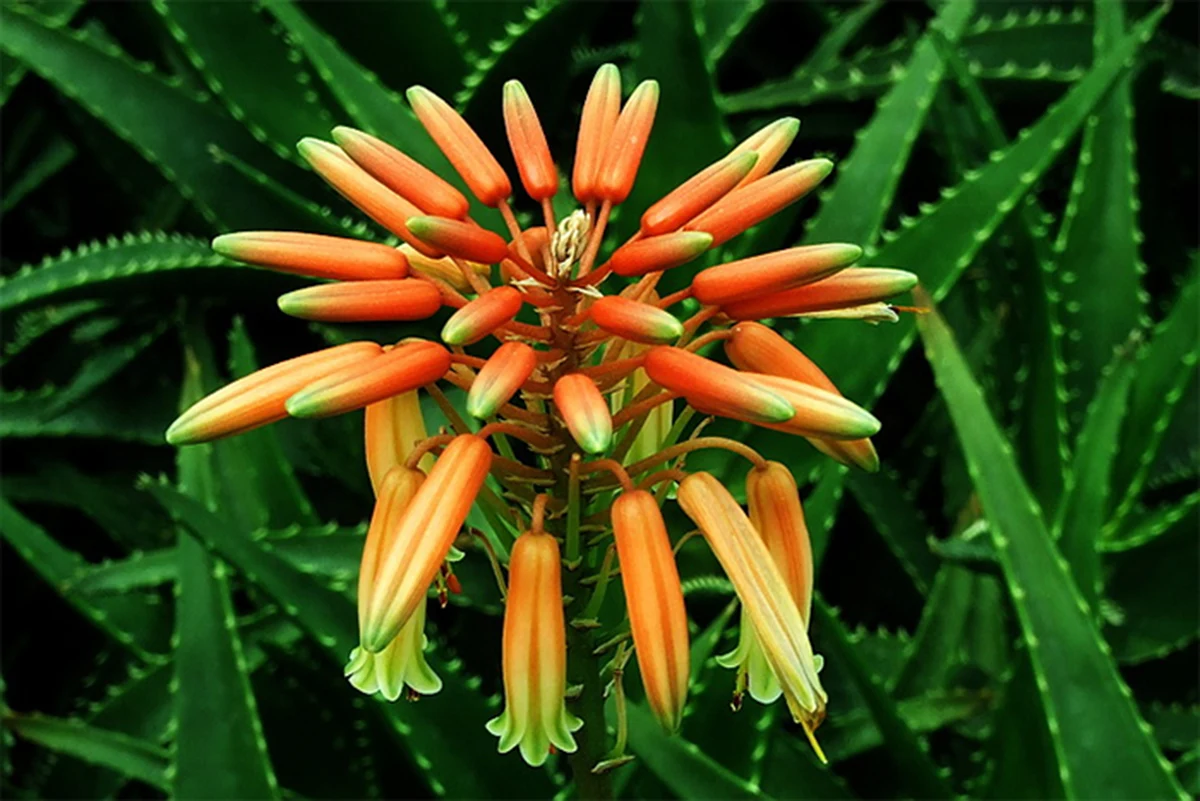
While rare indoors, aloe vera plants can produce vibrant yellow or red flower spikes under optimal conditions. To encourage blooming:
- Provide maximum light during spring and summer, ideally 8–10 hours daily.
- Maintain consistent watering without overdoing it.
- Allow a dormancy period in fall and winter with reduced watering and cooler temperatures (50°F–60°F).
Note that indoor aloes rarely flower due to limited light, but outdoor plants in warm climates have a better chance.
Using Aloe Vera Gel
Harvest aloe vera gel by cutting a mature leaf at the base, slicing it lengthwise, and scooping out the clear gel. Apply it to minor burns, cuts, or skin irritations for soothing relief.
Warning: Do not ingest aloe vera gel, as it may cause nausea or toxicity, especially for pets.
Feng Shui Benefits of Aloe Vera
In Feng Shui, aloe vera is associated with the Water element and Kan Qi, promoting emotional healing, wisdom, and prosperity. Place it in the north-facing areas of your home to enhance career growth and wealth.
Avoid bedrooms or south/southeast corners, as excessive Water energy may disrupt sleep or clash with Fire elements. A healthy aloe vera purifies energy, clears negativity, and fosters tranquility, aligning with BTA Feng Shui’s mission to harmonize your living space.
Common Pests and Diseases
Aloe vera is hardy but susceptible to pests like mealybugs and scale. Inspect regularly and treat with neem oil or insecticidal soap. Common issues include:
- Root Rot: Caused by overwatering; ensure proper drainage and reduce watering frequency.
- Leaf Rot: Often due to wet leaves or poor air circulation; keep leaves dry and ensure good airflow.
- Fungal Issues: Maintain dry conditions and avoid overcrowding plants.
Tips for a Healthy Aloe Vera Plant
- Monitor Soil Dryness: Use your finger to check soil moisture before watering.
- Rotate the Pot: Ensure even light exposure for balanced growth.
- Clean Leaves: Gently wipe leaves with a damp cloth to remove dust and enhance photosynthesis.
- Choose the Right Spot: A well-lit, airy location prevents most issues.
Caring for an aloe vera plant is a simple yet rewarding experience that brings both beauty and positive energy to your space. By following these tips, you’ll help your aloe thrive while enhancing your home’s harmony with Feng Shui.
BTA Feng Shui is dedicated to helping you build balanced, vibrant environments—if you enjoyed this guide, please rate it 5 stars and share it with other plant enthusiasts!