The fiddle leaf fig (Ficus lyrata) is a stunning houseplant, celebrated for its large, glossy, violin-shaped leaves that add a touch of elegance to any space.
Native to the rainforests of western and central Africa, this plant has become a favorite among indoor plant enthusiasts. However, its reputation for being finicky is well-earned, as it demands specific care to flourish.
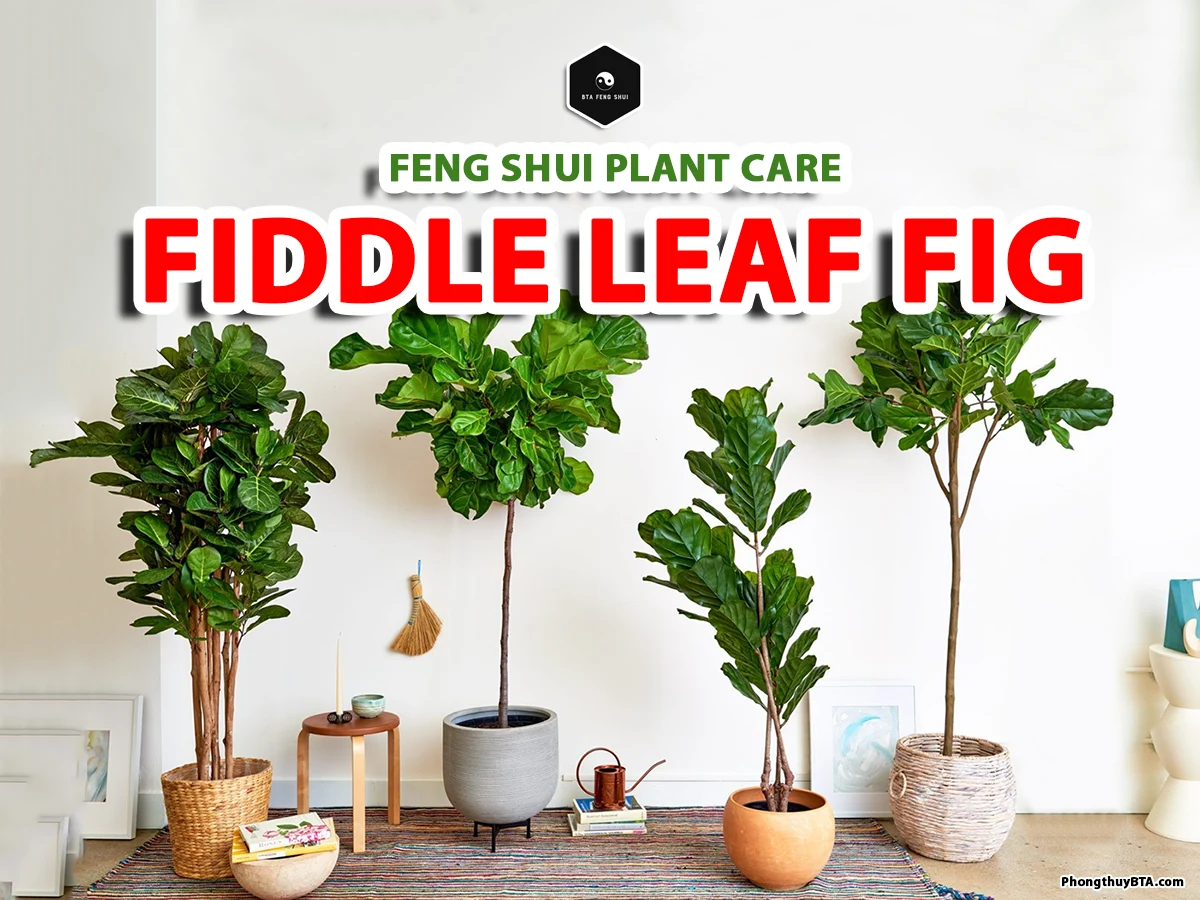
In this comprehensive guide, we’ll cover everything you need to know about fiddle leaf fig care, from light and watering to Feng Shui placement, ensuring your plant thrives indoors. Let’s dive into creating the perfect environment for your fiddle leaf fig tree!
Fiddle Leaf Fig: Key Information
- Common Names: Fiddle leaf fig, banjo fig, fiddle fig
- Botanical Name: Ficus lyrata
- Family: Moraceae
- Plant Type: Broadleaf evergreen, tree/shrub
- Mature Size: Up to 50 ft. tall outdoors; 6–10 ft. tall indoors
- Sun Exposure: Bright, indirect light
- Soil Type: Well-draining, loamy, peat-based
- Soil pH: 6.0–7.0 (slightly acidic to neutral)
- Bloom Time: Rarely blooms indoors
- Flower Color: Insignificant
- Hardiness Zones: 10–12 (USDA)
- Native Area: Tropical western Africa
- Toxicity: Toxic to pets and humans if ingested
Light Requirements for Fiddle Leaf Fig
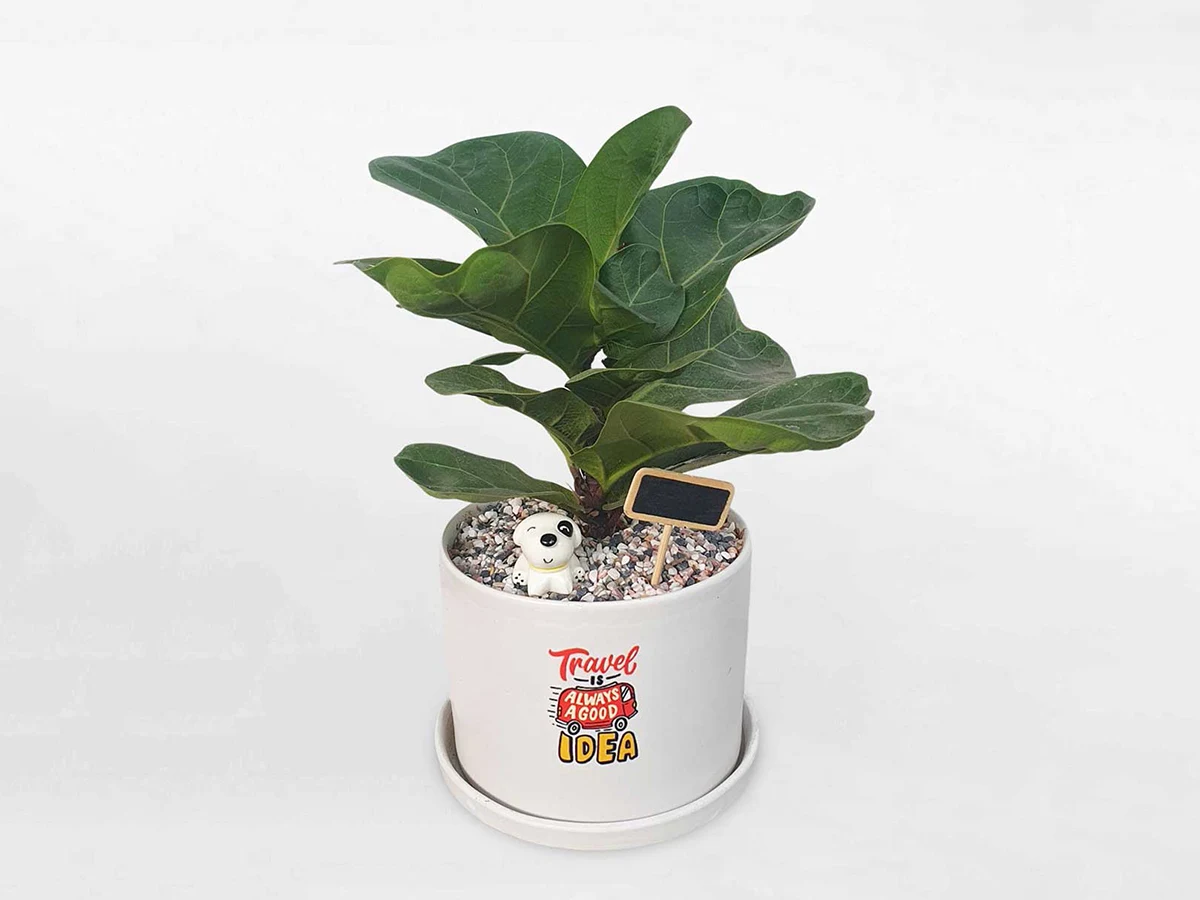
Fiddle leaf figs thrive in bright, indirect light for at least 6 hours daily. Place your plant near a south- or west-facing window with filtered light, as direct sunlight can scorch the leaves, causing brown spots or bleaching. Eastern windows work well if the plant is close to the glass, but northern exposures often lack sufficient light, leading to leaf drop or slow growth.
- Pro Tip: Rotate your plant every 1–2 weeks to ensure even light exposure and prevent leaning. If you notice light brown patches, move the plant away from intense direct sun or use a sheer curtain to diffuse light.
- Feng Shui Tip: Position your fiddle leaf fig in the southeast corner of your home to enhance wealth and abundance, as its lush leaves symbolize prosperity.
=> Read more: Feng Shui Wealth Corner Secrets to Attract Abundance
Watering Your Fiddle Leaf Fig
Proper watering is critical for fiddle leaf fig care. These plants prefer consistently moist but not soggy soil, with a brief drying period between waterings. Overwatering is a common mistake that can lead to root rot, while underwatering causes wilting or browning leaves.
- How to Water: Check the top 1–2 inches of soil. If dry, water thoroughly until it drains from the pot’s bottom. Allow excess water to drain completely to avoid root rot.
- Frequency: Typically, water every 7–10 days, but adjust based on light, humidity, and season. Use a moisture meter for accuracy.
- Signs of Trouble: Drooping leaves indicate thirst, while yellowing or brown, mushy roots suggest overwatering. Flush the soil monthly with tap water to prevent salt buildup from fertilizers.
Soil and Potting for Fiddle Leaf Fig
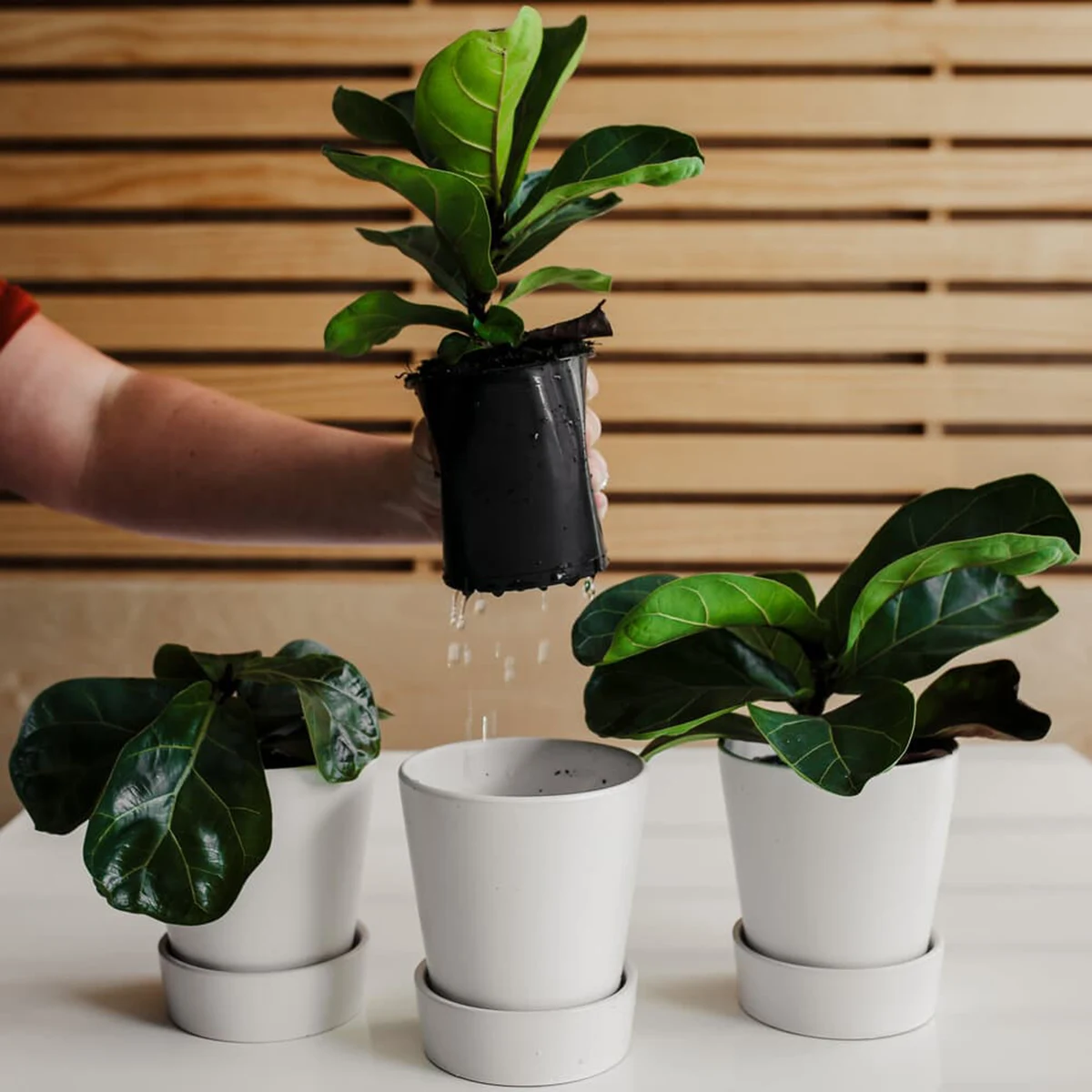
A well-draining, nutrient-rich soil mix is essential for a healthy fiddle leaf fig plant. Use a peat-based potting mix combined with perlite or a 50/50 blend of cactus and houseplant soil to ensure proper drainage.
- Potting Tips: Choose a pot with drainage holes, 2–4 inches larger than the root ball. Terracotta or ceramic pots are ideal, as they allow the soil to breathe. Add a layer of pebbles or aeration stones at the bottom to enhance drainage.
- Repotting: Repot young plants annually in spring, increasing pot size gradually. For mature plants, refresh the top few inches of soil every 1–2 years.
- Feng Shui Note: A ceramic pot (earth element) promotes grounding and stability, aligning with the plant’s calming energy.
Temperature and Humidity Needs
Fiddle leaf figs thrive in warm, humid conditions, mimicking their tropical origins.
- Temperature: Maintain a steady range of 60–85°F. Avoid drafts from air conditioners, heaters, or open doors, as temperature swings can cause leaf drop.
- Humidity: Aim for 30–65% humidity. In dry climates, use a humidifier or place a tray of water with pebbles near the plant. Misting is less effective and may encourage fungal issues.
- Outdoor Care: In USDA zones 10–12, fiddle leaf figs can be placed outside in partial shade, avoiding temperatures below 50°F or above 95°F. Transition gradually to prevent shock.
Fertilizing Your Fiddle Leaf Fig
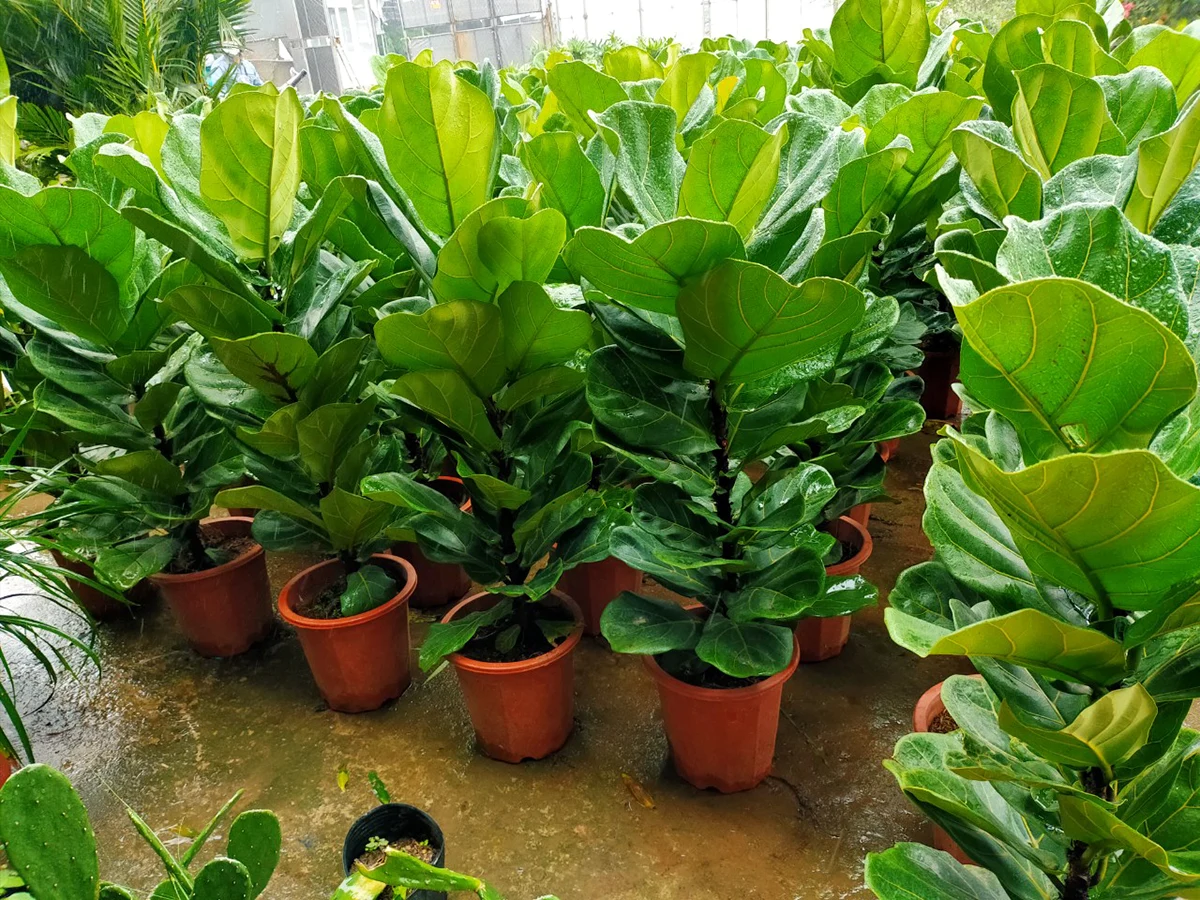
Fertilize monthly during the growing season (spring through fall) with a high-nitrogen fertilizer (e.g., NPK 16-5-11). Avoid fertilizing in winter when growth slows.
- Application: Dilute liquid fertilizer per package instructions and apply during watering. Over-fertilizing can burn roots, so flush the soil monthly to remove excess salts.
- Organic Option: Use compost or worm castings for a natural nutrient boost.
Read more:
- China Doll Plant: Feng Shui Meaning and Expert Care Guide
- How to Care for an Aloe Vera Plant (Feng Shui for Beginners)
- Cactus Plant Care: How to Take Care of a Cactus Indoors
- Lucky Bamboo Care: What Most People Overlook in Feng Shui
Pruning and Propagating Fiddle Leaf Figs
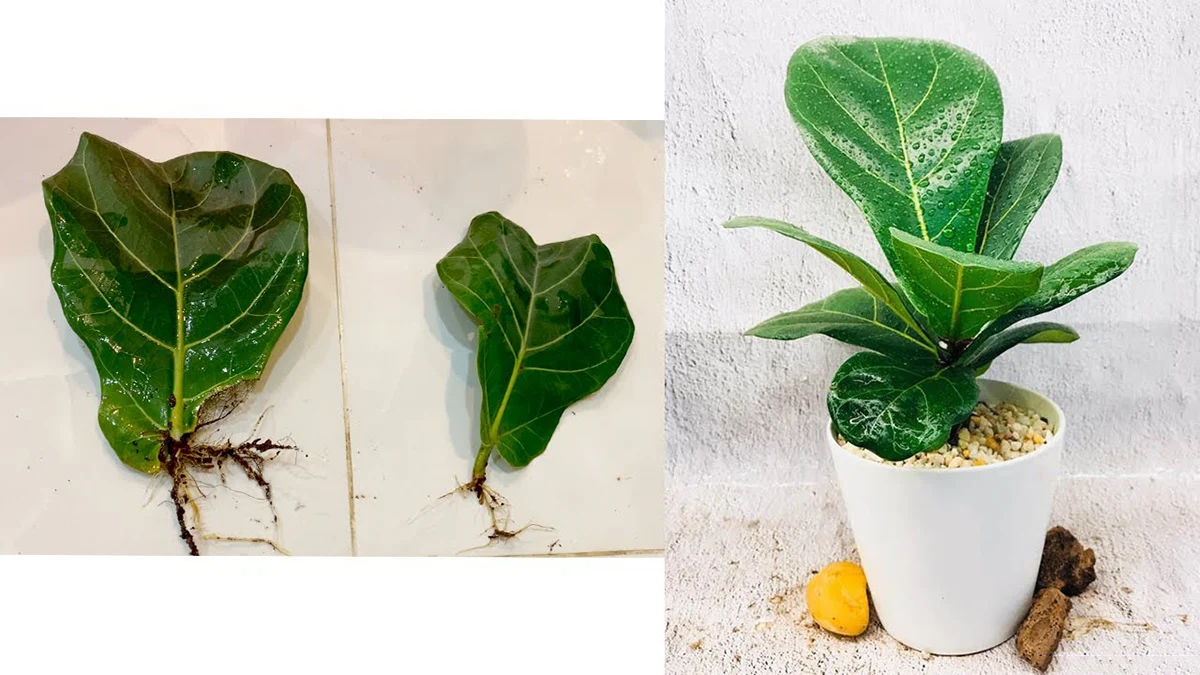
Pruning encourages fuller growth, while propagating allows you to create new plants from cuttings.
- Pruning: In late spring or summer, trim above a leaf node at a 45-degree angle using sharp pruners. Remove dead or damaged leaves anytime, following the leaf’s natural shape for aesthetics. To promote branching, top the main stem once the plant reaches 5 feet.
- Propagating:
- Cut a 6-inch stem with 2–3 leaf nodes.
- Remove lower leaves and dip the cut end in rooting hormone.
- Place in water or well-draining soil, keeping it in bright, indirect light.
- Roots should form in 2–4 weeks. Transplant to a pot once roots are 1–2 inches long.
Common Pests and Diseases
Fiddle leaf figs are relatively pest-resistant but can attract spider mites, scale, or mealybugs. Inspect leaves regularly for webbing, sticky residue, or tiny moving dots.
- Treatment: Wipe leaves with neem oil or insecticidal soap. For fungal issues, use a fungicide and improve air circulation.
- Prevention: Maintain proper watering and humidity to reduce stress, which attracts pests. Dust leaves every few weeks to boost photosynthesis and deter insects.
Troubleshooting Common Issues
- Brown Spots: Often caused by overwatering, low light, or temperature fluctuations. Check soil moisture, adjust light, and ensure stable temperatures.
- Yellowing Leaves: May indicate a bacterial infection or nutrient deficiency. Remove affected leaves, repot in fresh soil, and isolate the plant.
- Dropping Leaves: Typically due to insufficient light, overwatering, or environmental changes. Assess light and watering routines, and avoid moving the plant frequently.
- Leaf Scorch: Light brown or bleached spots signal too much direct sun. Relocate to a spot with filtered light.
Feng Shui Benefits of Fiddle Leaf Fig
In Feng Shui, the fiddle leaf fig is prized for its soft, rounded leaves, which promote positive energy flow and symbolize abundance.
- Placement: Position in the southeast (wealth) or east (family) gua of your home to enhance prosperity or harmony. In living rooms, it softens harsh corners, while in bathrooms, it balances heavy water energy.
- Pot Color: Choose green or blue pots for growth and healing, or black for wisdom and intuition.
- Care Tip: A healthy plant amplifies positive Chi, so prioritize consistent care to maintain its vibrancy.
Tips for a Thriving Fiddle Leaf Fig
- Wipe leaves with a damp cloth every 2–3 weeks to remove dust and enhance photosynthesis.
- Use a soil probe to monitor moisture levels accurately.
- Avoid frequent relocation, as fiddle leaf figs prefer stability.
- If growing outdoors, protect from direct afternoon sun and bring indoors during cold snaps.
- Invest in a sturdy pot to support the plant’s height and prevent tipping.
By following these fiddle leaf fig care guidelines, you’ll create a thriving, vibrant plant that elevates your home’s aesthetic and energy. Whether you’re a seasoned plant parent or a beginner, patience and consistency are key to mastering this beautiful houseplant.
Love this guide? Rate it 5 stars and share it with fellow plant enthusiasts!