The ZZ plant, or Zamioculcas zamiifolia, also known as the Zanzibar Gem or Eternity Plant, is a stunning, low-maintenance houseplant celebrated for its glossy, dark green leaves and remarkable resilience. Native to Eastern Africa, this tropical perennial thrives in various indoor conditions, making it a favorite for both novice and experienced plant owners.
Whether you’re looking to enhance your home or office with its elegant appearance or tap into its Feng Shui benefits, this guide covers everything you need to know to keep your ZZ plant thriving.
1. Why Choose a ZZ Plant?
The ZZ plant is a top choice for its “hard-to-kill” nature and aesthetic appeal. It flourishes in low light, tolerates infrequent watering, and adapts to diverse indoor environments, making it ideal for busy individuals or spaces with limited natural light.
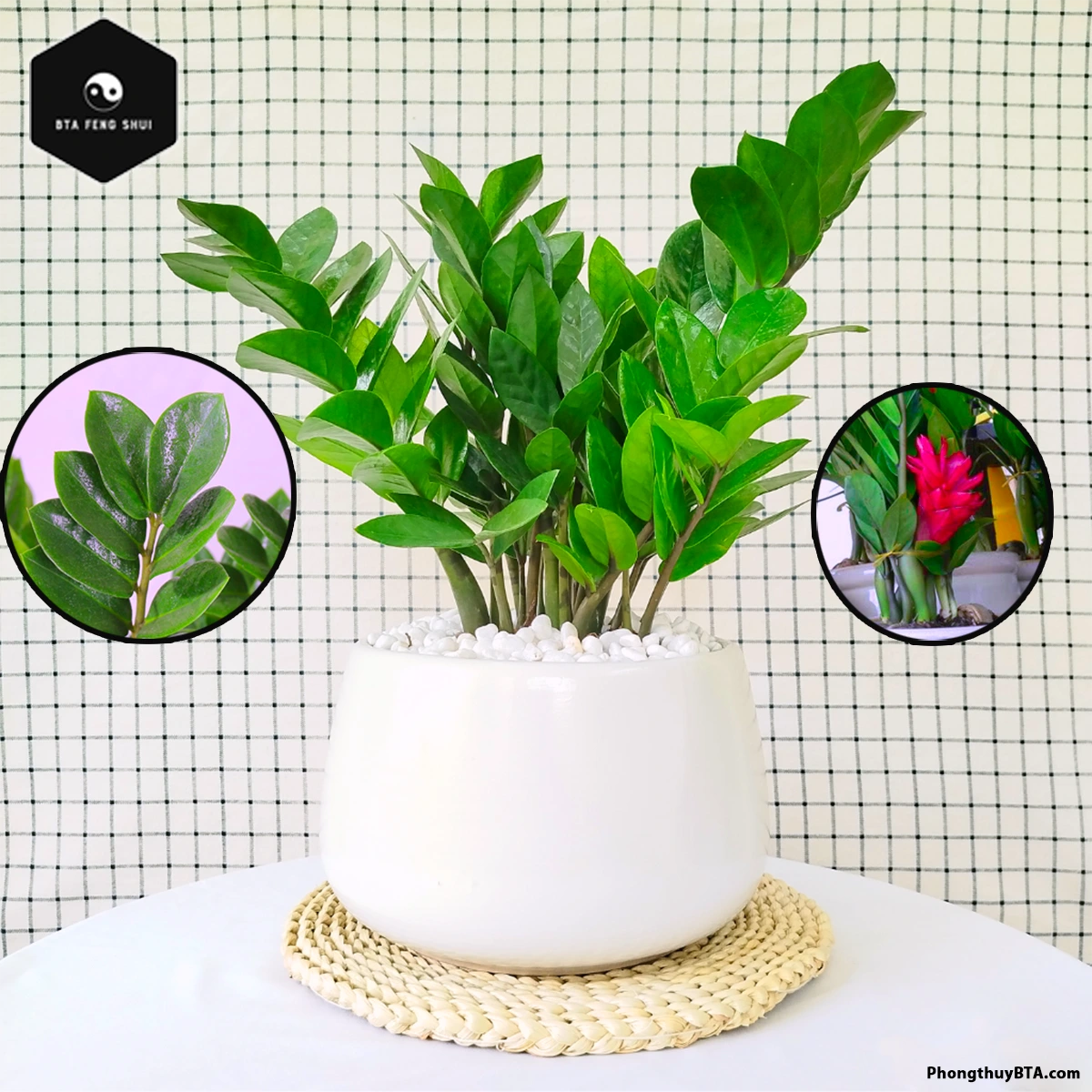
Its upright, waxy leaves add sophistication, and its slow growth keeps maintenance minimal. In Feng Shui, the ZZ plant symbolizes prosperity, growth, and protection, bringing positive energy to any space.
Key Features
- Common Names: ZZ Plant, Zanzibar Gem, Eternity Plant, Aroid Palm, Zuzu Plant
- Botanical Name: Zamioculcas zamiifolia
- Family: Araceae
- Mature Size: 2–4 feet tall and wide
- Native Area: Eastern Africa (Kenya, Tanzania, Zimbabwe)
- Toxicity: Toxic to humans and pets if ingested
- Special Benefit: Enhances indoor aesthetics and may improve air quality
2. Feng Shui Benefits of the ZZ Plant
In Feng Shui, the ZZ plant is a powerful symbol of prosperity, growth, and protection. Its lush, upward-growing leaves align with the Wood element, representing vitality and new beginnings. The glossy foliage promotes positive energy (chi) and a calming atmosphere.
Feng Shui Benefits
- Prosperity and Wealth: Place in the southeast (wealth sector) to attract abundance.
- Protection: Position near entrances to deflect negative energy.
- Stability and Endurance: Its resilience fosters a grounded environment.
- Harmony: Rounded leaves soften harsh energies, promoting peace.
- Placement Tip: Use a red, purple, or gold pot and place in the southeast (wealth), north (career), or east (health) sectors to enhance energy.
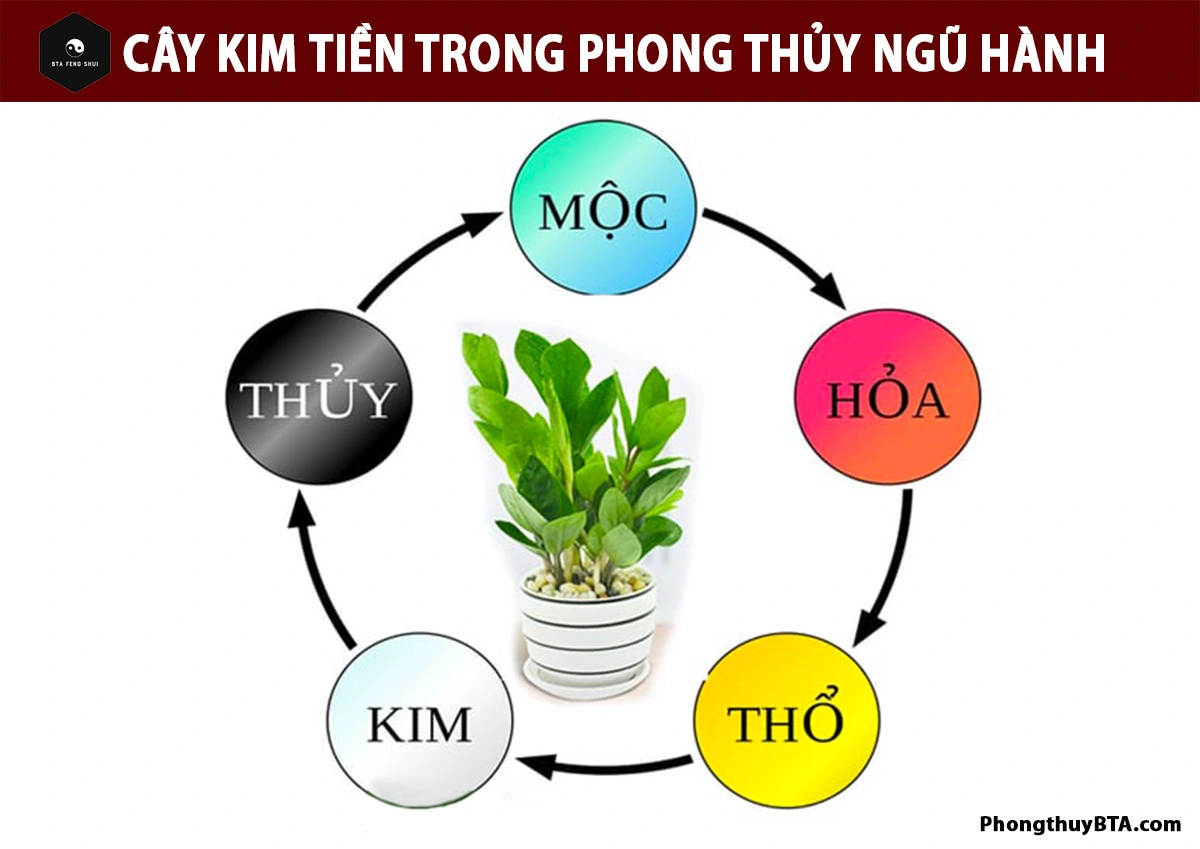
What Zodiac Elements Match the Money Tree?
Based on the Five Elements theory, the Money Tree is especially suitable for the following elements:
- Wood Element: People born in 1958, 1959, 1972, 1973, 1980, 1981, 1988, 1989, 2002, 2003, 2010, 2011 belong to the Wood element. Growing a Money Tree can bring them luck and career growth.
- Fire Element: Since Wood nourishes Fire, those with a Fire element (born in 1964, 1965, 1978, 1979, 1986, 1987, 1994, 1995, 2008, 2009, 2016, 2017) are also compatible with this plant and can benefit from enhanced positive energy.
- Water Element: Since Metal supports Water, Water-element individuals can grow the Money Tree in white pots or place it in the North or Southeast to attract wealth.
3. Essential ZZ Plant Care Tips
Caring for a ZZ plant is straightforward, even for beginners. Below are the key care requirements to ensure your plant remains healthy and vibrant.
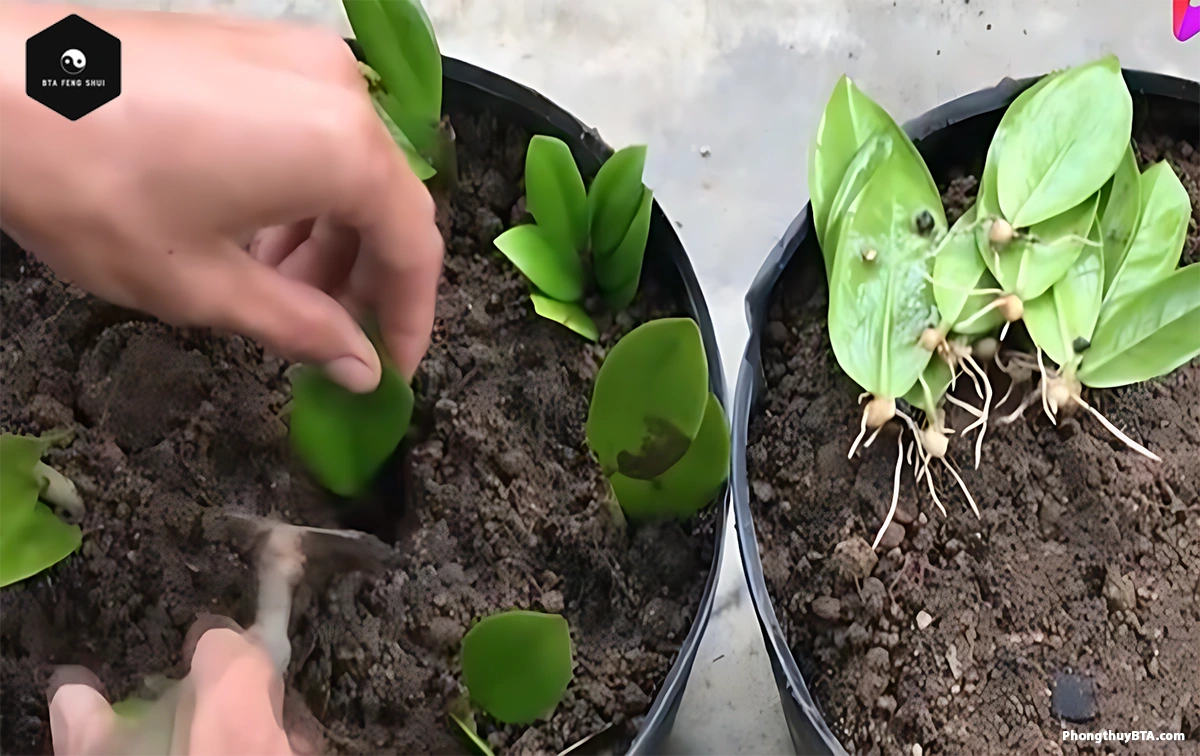
3.1 Propagating Your ZZ Plant
Expand your collection through division or leaf cuttings:
- Division: During repotting, gently separate rhizomes with roots and repot in fresh soil.
- Leaf Cuttings: Take a healthy stem with at least two leaves, plant in moist, well-draining soil, and place in bright, indirect light. Roots may take 6–9 months to form.
- Tip: Be patient with leaf cuttings, as they grow slowly but reliably.
3.2 Light
ZZ plants are highly adaptable, thriving in bright, indirect light but also surviving in low-light settings like offices or windowless rooms. Prolonged low light may lead to leggy growth or slower development.
- Tip: Place near a north-facing window for optimal indirect light. Avoid direct sunlight to prevent leaf scorching.
- Note: Rotate the plant occasionally for even growth.
3.3 Water
Thanks to its water-storing rhizomes, the ZZ plant is drought-tolerant and forgiving of irregular watering. Allow the soil to dry out completely between waterings, typically every 2–3 weeks, depending on humidity and temperature.
- Tip: Water deeply but infrequently, ensuring excess water drains to avoid root rot or yellowing leaves.
- Note: In low light, water less frequently, as the plant uses less moisture.
3.4 Soil
ZZ plants require well-draining soil to prevent root rot due to their water-storing rhizomes.
- Recommended Mix: Combine 1 part potting soil, 1 part perlite, and 1 part sand for excellent drainage.
- Tip: Use a pot with drainage holes to prevent water buildup.

3.5 Temperature and Humidity
ZZ plants thrive in average indoor temperatures (60–79°F or 15–26°C) and tolerate typical household humidity. They are sensitive to cold and should be kept above 45°F.
- Tip: Avoid cold drafts, air conditioning vents, or unheated rooms in winter. Use a pebble tray or occasional misting in dry climates.
- Note: Standard indoor conditions are usually sufficient.
3.6 Fertilizer
ZZ plants need minimal fertilizing. Apply a half-strength liquid houseplant fertilizer once or twice during the growing season (spring and summer).
- Tip: Avoid over-fertilizing to prevent rhizome damage.
- Note: Skip fertilizing in fall and winter when growth slows.
3.7 Pruning
Pruning is rarely necessary but can help maintain appearance. Trim leggy stems or yellowing leaves with clean, sharp shears, cutting at a 45° angle above a leaf node.
- Tip: Pruning encourages fuller growth and keeps the plant tidy.
- Note: Save cuttings for propagation.
3.8 Potting and Repotting
Repot every 1–2 years or when rhizomes outgrow the pot. Choose a pot one size larger with drainage holes.
- Tip: Repot in spring or summer to minimize stress. Wear gloves, as the sap may irritate skin.
- Note: Refresh the soil during repotting for nutrient balance.

3.9 Common Pests and Problems
ZZ plants are pest-resistant but may attract mealybugs, fungus gnats, or aphids. Inspect regularly and treat with neem oil or insecticidal soap if needed.
- Yellow Leaves: Caused by overwatering. Let soil dry out and adjust watering.
- Leggy Growth: Indicates insufficient light. Move to a brighter, indirect light spot.
- Fungal Issues: Brown spots or lesions suggest overwatering. Isolate the plant, reduce watering, and apply fungicide if necessary.
- Tip: Clean leaves weekly with a damp cloth to prevent pests and maintain glossiness.
4. ZZ Plant Varieties
Explore these cultivars to match your style and space:
- Raven ZZ: Dark purple-maroon foliage for a dramatic effect.
- Variegated ZZ: Green leaves with white and yellow variegation, requiring brighter light.
- Zenzi: Compact, perfect for small spaces.
- Chameleon: Vibrant green foliage with subtle color shifts.
- Super Nova: Bold, dark-leaved cultivar with a lush appearance.
- Tip: Choose a variety based on your aesthetic and space constraints.
5. Buying and Maintaining a ZZ Plant
When purchasing a ZZ plant, ensure:
- Healthy Leaves: Glossy, upright leaves without spots or yellowing.
- Root Health: Roots should not be overcrowded or protruding from drainage holes.
- Pest-Free: Check for no webbing or sticky residue.
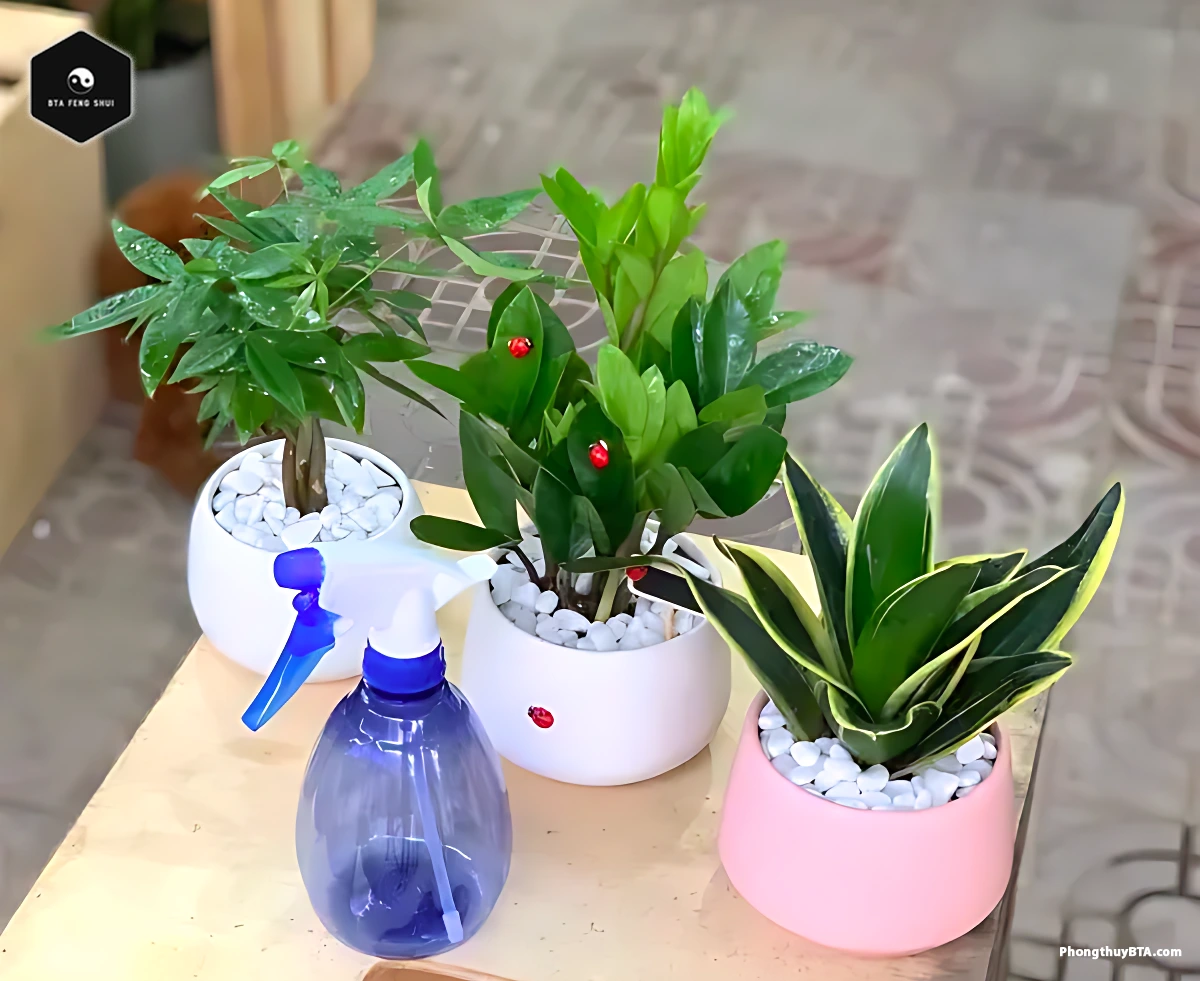
- Where to Buy: Available at garden centers, online retailers, or nurseries. Small plants cost $10–$20; larger ones range from $30–$50.
- Maintenance Tip: Dust leaves with a damp cloth to maintain shine and health.
6. Additional Benefits and Considerations
6.1 Air Purification
ZZ plants may remove volatile organic compounds (like benzene and toluene) from indoor air, though their impact is minimal. Their primary value lies in beauty and ease of care.
6.2 Traditional Medicine
In some Eastern African cultures, ZZ plant leaves are used to treat earaches or inflammation. Consult a professional before medicinal use, as the plant is toxic if ingested.
The ZZ plant is a resilient, elegant addition to any space, offering beauty and ease with minimal effort. By following this guide from BTA Feng Shui, your Zanzibar Gem will thrive for years, bringing sophistication and positive energy. Enjoy the charm of this versatile houseplant!
Loved this guide? Rate it 5 stars and share it with friends to spread the ZZ plant’s appeal!