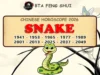
Feng Shui, the ancient art of harmonizing energy between humans and their environment, is deeply rooted in Eastern cultures, with unique adaptations in Vietnam. This practice relies heavily on concepts like the Five Elements, Celestial Stems, Earthly Branches, and their interactions.
For international readers, understanding Feng Shui through its Vietnamese lens can be challenging due to unfamiliar terminology and romanized pronunciations. This article provides detailed tables to bridge that gap, presenting key terms in English alongside their Vietnamese equivalents, complete with romanized forms (e.g., “Giáp” as “Jia”) and explanations. These tables aim to make Feng Shui accessible and comprehensible globally.
Note: This article was compiled with assistance from Grok 3 and Chat GPT, based on research by BTA Feng Shui.
Core Concepts in Vietnamese Feng Shui
The foundation of Feng Shui lies in its core concepts, such as Qi (energy), the Five Elements, and Yin-Yang balance. Below is a table of essential terms commonly used in Vietnamese Feng Shui, paired with their English translations and meanings.
| English | Vietnamese | Explanation |
|---|---|---|
| Feng Shui | Phong Thủy | The art of arranging spaces to balance energy, fostering harmony between people and their surroundings. |
| Five Elements | Ngũ Hành | A system of five elements—Wood, Fire, Earth, Metal, Water—shaping destiny and interactions. |
| Wood | Mộc | Represents growth, flexibility, and vitality. |
| Fire | Hỏa | Symbolizes energy, passion, and strength. |
| Earth | Thổ | Denotes stability, nurturing, and protection. |
| Metal | Kim | Embodies resilience, precision, and strength. |
| Water | Thủy | Represents adaptability, wisdom, and flow. |
| Qi (Chi) | Khí | The life force or energy that must flow harmoniously in a space. |
| Yin and Yang | Âm Dương | The balance of opposites (e.g., dark/light, cold/hot), central to Feng Shui philosophy. |
Five Elements Interaction
The interactions between the Five Elements—generation and destruction—are fundamental to Feng Shui. These relationships influence compatibility, colors, and directions. The table below details these cycles with their Vietnamese romanizations.
| English | Vietnamese | Explanation |
|---|---|---|
| Generating Cycle (Mutual Generation) | Ngũ hành tương sinh | The cycle in which each element nourishes and supports the next. |
| Water generates Wood | Thủy sinh Mộc | Water nourishes Wood, promoting growth and vitality. |
| Wood generates Fire | Mộc sinh Hỏa | Wood fuels Fire, generating energy and strength. |
| Fire generates Earth | Hỏa sinh Thổ | Fire creates Earth through ash, enriching stability. |
| Earth generates Metal | Thổ sinh Kim | Earth produces Metal from its minerals. |
| Metal generates Water | Kim sinh Thủy | Metal condenses or melts into Water (ancient theory). |
| Controlling Cycle (Mutual Restriction) | Ngũ hành tương khắc | The cycle in which each element restricts another to maintain balance. |
| Metal overcomes Wood | Kim khắc Mộc | Metal cuts Wood, restricting its growth. |
| Wood overcomes Earth | Mộc khắc Thổ | Wood depletes Earth by absorbing its nutrients. |
| Earth overcomes Water | Thổ khắc Thủy | Earth absorbs or blocks Water, halting its flow. |
| Water overcomes Fire | Thủy khắc Hỏa | Water extinguishes Fire, neutralizing its energy. |
| Fire overcomes Metal | Hỏa khắc Kim | Fire melts Metal, destroying its structure. |
| Overacting Cycle (Tương thừa) | Ngũ hành tương thừa | When an element becomes too strong and excessively dominates another. |
| Insulting Cycle (Tương vũ) | Ngũ hành tương vũ | When a weakened element counteracts and harms the element that normally controls it. |
| Weakening Cycle | Chu trình suy yếu | Each element depletes the energy of the one before it. |
| Draining Cycle | Chu trình tiêu hao | A weaker element drains energy from the element supporting it. |
| Destructive Cycle | Chu trình phá hoại | A stronger element completely overpowers and destroys another. |
| Imbalance in Five Elements | Mất cân bằng Ngũ hành | An excess or deficiency in any element leads to disharmony. |
| Excessive Fire | Hỏa quá vượng | Too much Fire causes aggression and instability. |
| Weak Earth | Thổ quá yếu | Lack of Earth leads to instability and indecisiveness. |
Heavenly Stems (Thiên Can) – English & Vietnamese with Elements
| English | Vietnamese | Explanation |
|---|---|---|
| Jia (甲 -Yang Wood) | Giáp (Mộc Dương) | Tall trees growing vigorously, symbolizing vitality, leadership, and upward growth. |
| Yi (乙 – Yin Wood) | Ất (Mộc Âm) | Small, flexible plants, representing adaptability, gentleness, and subtle strength. |
| Bing (丙 – Yang Fire) | Bính (Hỏa Dương) | Blazing flames, symbolizing passion, visibility, charisma, and energy. |
| Ding (丁 – Yin Fire) | Đinh (Hỏa Âm) | Smoldering embers, representing inner strength, persistence, and emotional warmth. |
| Wu (戊 – Yang Earth) | Mậu (Thổ Dương) | Dry, solid mountains—symbolizing stability, endurance, and reliability. |
| Ji (己 – Yin Earth) | Kỷ (Thổ Âm) | Moist, fertile farmland—symbolizing nurturing, support, and productivity. |
| Geng (庚 – Yang Metal) | Canh (Kim Dương) | Raw, unrefined metal—tough and unyielding, representing resilience and discipline. |
| Xin (辛 – Yin Metal) | Tân (Kim Âm) | Refined metal—sharp, elegant, and precise, symbolizing intellect and refinement. |
| Ren (壬 – Yang Water) | Nhâm (Thủy Dương) | Vast waters like oceans and rivers—symbolizing power, depth, and resourcefulness. |
| Gui (癸 – Yin Water) | Quý (Thủy Âm) | Gentle rain or small streams—symbolizing intuition, softness, and adaptability. |
Earthly Branches (Địa Chi) – Vietnamese Zodiac
The Earthly Branches, or “Địa Chi,” form the 12 zodiac animals in Vietnamese Feng Shui. Unlike the Chinese zodiac, Vietnam uses “Cat” instead of “Rabbit” for “Mão.” This table lists each branch with its Vietnamese romanization and English name.
| English (Pinyin) | Vietnamese | Symbolism / Explanation |
|---|---|---|
| Rat – Zi (子) | Tý (Chuột) | Seed, origin of life, winter solstice; symbolizes beginnings, potential, and intelligence. |
| Ox – Chou (丑) | Sửu (Trâu) | Earthy moisture, early spring; represents patience, hard work, and stability. |
| Tiger – Yin (寅) | Dần (Hổ) | Sprouting energy, start of growth; symbolizes courage, drive, and action. |
| Rabbit/ Cat – Mao (卯) | Mão (Mèo/Thỏ) | Signifies refinement and agility (unique to Vietnam, replacing “Rabbit” in Chinese zodiac). |
| Dragon – Chen (辰) | Thìn (Rồng) | Rising Yang, power of transformation; symbolizes authority, luck, and ambition. |
| Snake – Si (巳) | Tỵ (Rắn) | Warmth, forming Yang; symbolizes wisdom, strategy, and depth. |
| Horse – Wu (午) | Ngọ (Ngựa) | Peak of Yang, high noon; symbolizes freedom, enthusiasm, and charisma. |
| Goat – Wei (未) | Mùi (Dê) | Declining Yang, transition; symbolizes harmony, caring, and artistic nature. |
| Monkey – Shen (申) | Thân (Khỉ) | Metal begins to form; symbolizes cleverness, adaptability, and wit. |
| Rooster – You (酉) | Dậu (Gà) | Maturity of Metal; symbolizes precision, discipline, and order. |
| Dog – Xu (戌) | Tuất (Chó) | Dry Earth, decline; symbolizes loyalty, justice, and protection. |
| Pig – Hai (亥) | Hợi (Heo) | Stored Water, ending and resting; symbolizes compassion, tolerance, and intuition. |
Note:
- In cases where only the Earthly Branch appears alone, use the Pinyin transcription. For example: Zi (子).
- However, when referring to a specific year or zodiac sign, it should be named accordingly. For instance, someone born in 1972 would be referred to as a Water Rat.
Zodiac Years and English Names (1970–2030)
The Vietnamese zodiac, based on the Earthly Branches (Địa Chi), pairs with the Heavenly Stems (Thiên Can) to assign each year a unique combination of an animal and an element. Below is a table listing the years from 1970 to 2030, their Vietnamese romanizations, and their English names (e.g., “Water Ox” for Quý Sửu 1973).
| Year | English Name | Vietnamese |
|---|---|---|
| 1970 | Metal Dog | Canh Tuất |
| 1971 | Metal Pig | Tân Hợi |
| 1972 | Water Rat | Nhâm Tý |
| 1973 | Water Ox | Quý Sửu |
| 1974 | Wood Tiger | Giáp Dần |
| 1975 | Wood Rabbit | Ất Mão |
| 1976 | Fire Dragon | Bính Thìn |
| 1977 | Fire Snake | Đinh Tỵ |
| 1978 | Earth Horse | Mậu Ngọ |
| 1979 | Earth Goat | Kỷ Mùi |
| 1980 | Metal Monkey | Canh Thân |
| 1981 | Metal Rooster | Tân Dậu |
| 1982 | Water Dog | Nhâm Tuất |
| 1983 | Water Pig | Quý Hợi |
| 1984 | Wood Rat | Giáp Tý |
| 1985 | Wood Ox | Ất Sửu |
| 1986 | Fire Tiger | Bính Dần |
| 1987 | Fire Rabbit | Đinh Mão |
| 1988 | Earth Dragon | Mậu Thìn |
| 1989 | Earth Snake | Kỷ Tỵ |
| 1990 | Metal Horse | Canh Ngọ |
| 1991 | Metal Goat | Tân Mùi |
| 1992 | Water Monkey | Nhâm Thân |
| 1993 | Water Rooster | Quý Dậu |
| 1994 | Wood Dog | Giáp Tuất |
| 1995 | Wood Pig | Ất Hợi |
| 1996 | Fire Rat | Bính Tý |
| 1997 | Fire Ox | Đinh Sửu |
| 1998 | Earth Tiger | Mậu Dần |
| 1999 | Earth Rabbit | Kỷ Mão |
| 2000 | Metal Dragon | Canh Thìn |
| 2001 | Metal Snake | Tân Tỵ |
| 2002 | Water Horse | Nhâm Ngọ |
| 2003 | Water Goat | Quý Mùi |
| 2004 | Wood Monkey | Giáp Thân |
| 2005 | Wood Rooster | Ất Dậu |
| 2006 | Fire Dog | Bính Tuất |
| 2007 | Fire Pig | Đinh Hợi |
| 2008 | Earth Rat | Mậu Tý |
| 2009 | Earth Ox | Kỷ Sửu |
| 2010 | Metal Tiger | Canh Dần |
| 2011 | Metal Rabbit | Tân Mão |
| 2012 | Water Dragon | Nhâm Thìn |
| 2013 | Water Snake | Quý Tỵ |
| 2014 | Wood Horse | Giáp Ngọ |
| 2015 | Wood Goat | Ất Mùi |
| 2016 | Fire Monkey | Bính Thân |
| 2017 | Fire Rooster | Đinh Dậu |
| 2018 | Earth Dog | Mậu Tuất |
| 2019 | Earth Pig | Kỷ Hợi |
| 2020 | Metal Rat | Canh Tý |
| 2021 | Metal Ox | Tân Sửu |
| 2022 | Water Tiger | Nhâm Dần |
| 2023 | Water Rabbit | Quý Mão |
| 2024 | Wood Dragon | Giáp Thìn |
| 2025 | Wood Snake | Ất Tỵ |
| 2026 | Fire Horse | Bính Ngọ |
| 2027 | Fire Goat | Đinh Mùi |
| 2028 | Earth Monkey | Mậu Thân |
| 2029 | Earth Rooster | Kỷ Dậu |
| 2030 | Metal Dog | Canh Tuất |
Feng Shui Relationships and Directions
Beyond elements and zodiac animals, Feng Shui involves relationships (e.g., Compatibility, Conflict) and directional terms from systems like the Eight Mansions. This table covers key terms with Vietnamese romanizations.
| English | Vietnamese | Explanation |
|---|---|---|
| Compatibility | Tương Hợp / Hợp | Harmony between zodiac signs, elements, or factors. |
| Conflict | Tương Xung / Xung | Opposition or clash between elements or zodiac signs. |
| Punishment | Tương Hình / Hình | Mutual restraint or penalty between elements or signs. |
| Harm | Tương Hại / Hại | Mutual detriment between elements or zodiac signs. |
| Three Harmonies (Four Trines) | Tam Hợp | A harmonious group of three zodiac signs (e.g., Ox – Snake – Rooster). |
| Four Clashes | Tứ Hành Xung | A conflicting group of four zodiac signs (e.g., Dragon – Dog – Ox – Goat). |
| Three Years of Misfortune | Tam Tai | A traditional belief in East Asian astrology referring to a three-year period of bad luck or challenges based on a person’s zodiac sign. |
| Dual Compatibility | Nhị Hợp | A supportive pair of zodiac signs (e.g., Rat – Ox). |
| Six Harmonies | Lục Hợp | Pairs of zodiac signs that are compatible and bring harmony and positive influence. |
| Mutual Harm | Tương Hại | A detrimental pair of zodiac signs (e.g., Rat – Goat). |
| Self-Punishment | Tự Hình | Internal conflict within the same zodiac sign (e.g., Dragon – Dragon). |
| Vitality | Sinh Khí | A favorable direction bringing prosperity and life force. |
| Longevity | Phúc Đức / Diên Niên | A favorable direction promoting stability and endurance. |
| Heavenly Doctor | Thiên Y | A favorable direction enhancing health and protection. |
| Restoration | Phục Vị | A favorable direction offering support and peace. |
| Extinction | Tuyệt Mệnh | An unfavorable direction linked to severe misfortune. |
| Five Ghosts | Ngũ Quỷ | An unfavorable direction causing trouble and calamity. |
| Misfortune | Họa Hại | An unfavorable direction bringing minor harm. |
| Six Evils | Lục Sát | An unfavorable direction leading to conflict and disruption. |
| Nine Stars | Cửu Tử | A system of nine stars used in Feng Shui’s Flying Star method to analyze energy and luck in spaces. |
Cung Mệnh (Personal Trigram) in Eastern Feng Shui
In Eastern Feng Shui, Cung Mệnh (also known as the Personal Trigram or Life Gua) is an important concept used to determine a person’s lucky directions, compatibility in relationships, and suitable colors or elements. It is based on a combination of gender and lunar year of birth, and is commonly used in home design, marriage matching, and personal energy alignment.
There are 8 Personal Trigram, each linked to one of the Bagua trigrams and associated with one of the Five Elements (Wood, Fire, Earth, Metal, or Water). Understanding your Personal Trigram helps you make better decisions in arranging your home, choosing colors, and even navigating relationships.
Here is a translation and explanation of each Personal Trigram:
| English Name (Chinese character) | Vietnamese | Explanation |
|---|---|---|
| Kan (坎 – Water) | Khảm (Kǎn) | Element: Water. Represents flexibility, wisdom, and emotional depth. |
| Gen (艮 – Mountain) | Cấn (Gèn) | Element: Earth. Symbolizes stillness, stability, and introspection. |
| Kun (坤 – Earth) | Khôn (Kūn) | Element: Earth. Associated with nurturing, receptivity, and support. |
| Zhen (震 – Thunder) | Chấn (Zhèn) | Element: Wood. Represents movement, motivation, and new beginnings. |
| Xun (巽 – Wind) | Tốn (Xùn) | Element: Wood. Symbolizes growth, expansion, and adaptability. |
| Li (离 – Fire) | Ly (Lí) | Element: Fire. Associated with passion, light, clarity, and inspiration. |
| Qian (乾 – Heaven) | Càn (Qián) | Element: Metal. Represents leadership, creativity, and strong will. |
| Dui (兑 – Lake) | Đoài (Duì) | Element: Metal. Symbolizes joy, openness, and clear communication. |
Conclusion
This guide offers a comprehensive look at Vietnamese Feng Shui terminology, with tables designed to clarify the romanized Vietnamese terms (e.g., “Giáp,” “Sửu”) alongside their English equivalents and meanings. By presenting the Celestial Stems, Earthly Branches, Five Elements interactions, and key relationships, we hope international readers can better grasp the essence of this profound practice. Whether you’re exploring destiny, compatibility, or spatial harmony, these terms provide a solid foundation for understanding Vietnamese Feng Shui.