Planets in Astrology
In astrology, planets are the active forces that drive energy through the zodiac, shaping how each sign expresses itself. Each planet represents a different aspect of personality, behavior, and influence — from emotions and love to communication and transformation.
1. Planetary Symbols: History, Myth, and Meanings
The symbolism of planets has deep historical roots dating back to ancient civilizations. The Babylonians, Greeks, and Romans associated the seven classical planets — Sun, Moon, Mercury, Venus, Mars, Jupiter, and Saturn — with their deities. These celestial bodies were visible to the naked eye and revered as divine forces that shaped myths and daily life.
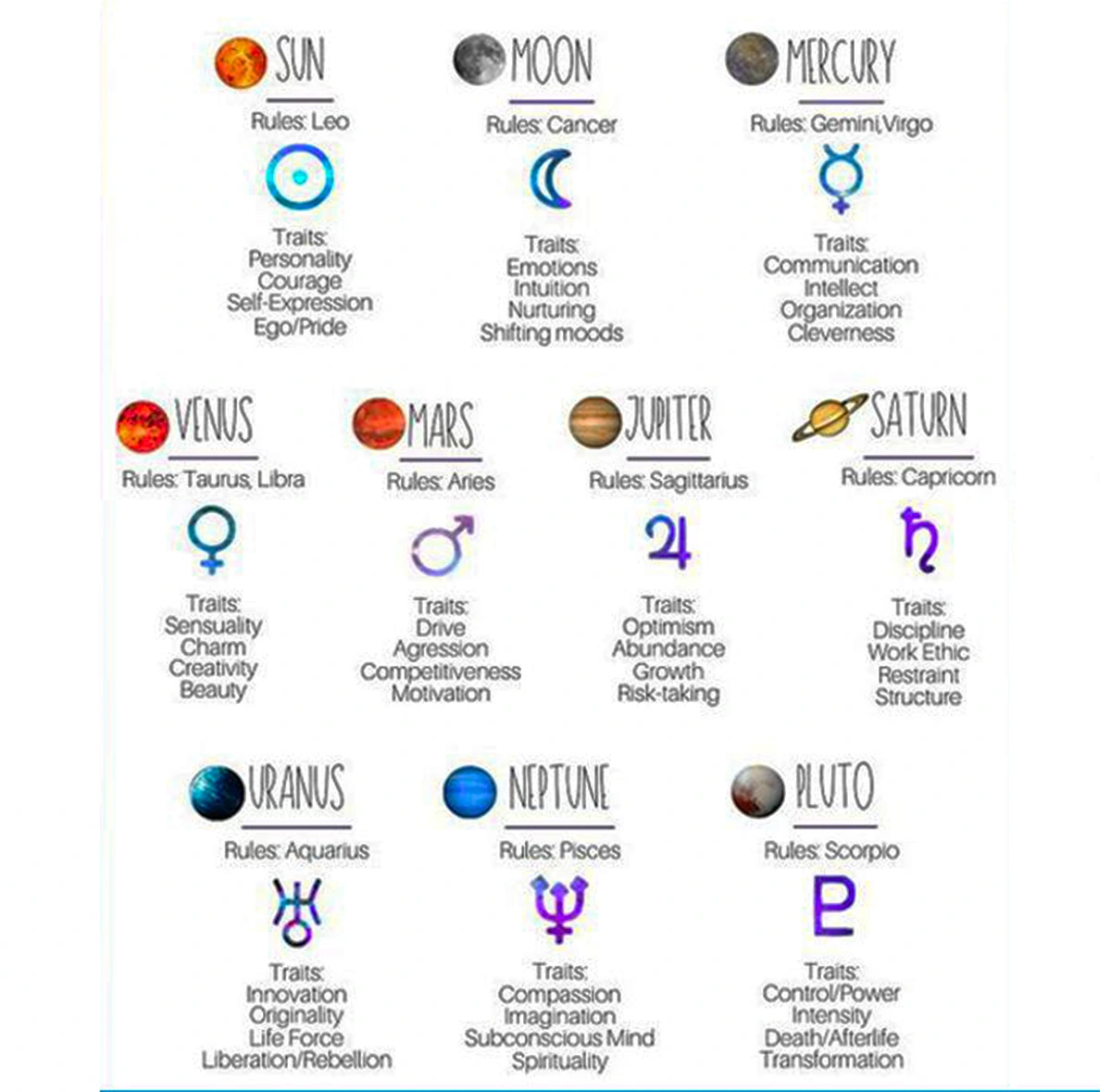
For instance, Jupiter, named after the Roman king of gods, symbolized authority and expansion. As astronomy advanced, Uranus, Neptune, and Pluto were discovered, enriching modern astrology with new layers of meaning.
Building on these traditions, astrology represents each planet through unique symbols known as glyphs, each carrying distinct mythological and psychological significance. Below is a simplified table of planetary symbols and their core meanings.
| Planet | Symbol | Associated Deity | Connection | Symbolic Meaning |
|---|---|---|---|---|
| Sun | ☉ | Helios / Apollo | Ancient | Vitality, ego, self-expression, purpose |
| Moon | ☾ | Selene / Artemis | Ancient | Emotions, intuition, cycles, subconscious |
| Mercury | ☿ | Hermes | Ancient | Communication, intellect, adaptability |
| Venus | ♀ | Aphrodite | Ancient | Love, beauty, harmony, attraction |
| Mars | ♂ | Ares | Ancient | Action, courage, drive, conflict |
| Jupiter | ♃ | Zeus / Jove | Ancient | Expansion, luck, wisdom, growth |
| Saturn | ♄ | Cronus | Ancient | Discipline, structure, responsibility, time |
| Uranus | ♅ | Ouranos / Caelus | Modern | Innovation, rebellion, sudden change |
| Neptune | ♆ | Poseidon | Modern | Dreams, intuition, spirituality, illusion |
| Pluto | ♇ | Hades / Pluto | Modern | Transformation, power, rebirth, the unconscious |
Together, these symbols and myths create the foundation of planetary astrology, linking cosmic forces with human psychology and spiritual understanding.
2. Astrological Planets and Their Zodiac Rulerships
In astrology, each planet embodies a unique energy that influences human personality, emotion, and destiny. These celestial bodies also rule specific zodiac signs, shaping the qualities and motivations of those born under their influence. Below is a detailed look at each planet, its symbolism, rulership, and core meanings.
☉ The Sun
- Time to Transit Between Signs: 1 Month
- Rules: Leo
- Keywords: Ego, Basic Personality, Consciousness, Vitality, Stamina
The Sun represents the self, consciousness, and life force. As the ruler of Leo, it brings confidence, creativity, and leadership. Its radiant energy drives personal expression and the desire to shine in the world.
☽ The Moon
- Time to Transit Between Signs: 2–3 Days
- Rules: Cancer
- Keywords: Emotions, Intuition, Instincts, Habits, Moods
The Moon governs emotions, intuition, and inner rhythms. Ruling Cancer, it shapes sensitivity, empathy, and the need for emotional security. The Moon’s phases mirror the ebb and flow of human feelings.
☿ Mercury
- Time to Transit Between Signs: 3–4 Weeks
- Rules: Gemini, Virgo
- Keywords: Mind, Communication, Intellect, Reason, Language, Learning
Mercury symbolizes intellect, logic, and communication. As the ruler of Gemini and Virgo, it fosters curiosity, adaptability, and analytical thinking. Mercury governs how we express ideas and process information.
♀ Venus
- Time to Transit Between Signs: 4–5 Weeks
- Rules: Taurus, Libra
- Keywords: Attraction, Love, Relationships, Art, Beauty, Harmony
Venus stands for attraction, harmony, and affection. Ruling Taurus and Libra, it inspires appreciation for art, comfort, and relationships. Venus guides how we experience love and aesthetic pleasure.
♂ Mars
- Time to Transit Between Signs: 6–7 Weeks
- Rules: Aries
- Keywords: Action, Desire, Passion, Competition, Courage, Drive
Mars represents action, courage, and passion. As the ruler of Aries (and traditional ruler of Scorpio), it fuels ambition and assertiveness. Mars pushes us to take initiative and pursue what we desire.
♃ Jupiter
- Time to Transit Between Signs: 12–13 Months
- Rules: Sagittarius
- Keywords: Luck, Growth, Expansion, Optimism, Understanding
Jupiter embodies expansion, optimism, and growth. Ruling Sagittarius (and traditionally Pisces), it brings faith, wisdom, and a love for exploration—encouraging us to seek higher meaning and purpose.
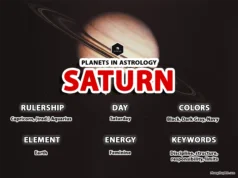
♄ Saturn
- Time to Transit Between Signs: 2–3 Years
- Rules: Capricorn
- Keywords: Structure, Law, Discipline, Responsibility, Ambition
Saturn symbolizes structure, responsibility, and discipline. As the ruler of Capricorn (and traditional Aquarius), it teaches patience, endurance, and respect for boundaries, guiding us toward mastery through limitation.
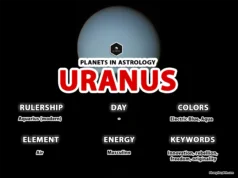
♅ Uranus
- Time to Transit Between Signs: 7 Years
- Rules: Aquarius
- Keywords: Change, Rebellion, Innovation, Freedom, Unpredictability
Uranus governs innovation, rebellion, and individuality. As the modern ruler of Aquarius, it sparks breakthroughs, challenges conventions, and promotes progressive thinking and freedom of expression.
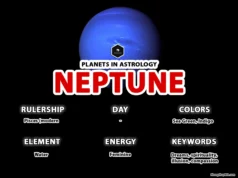
♆ Neptune
- Time to Transit Between Signs: 10–12 Years
- Rules: Pisces
- Keywords: Dreams, Intuition, Mysticism, Imagination, Illusion
Neptune represents imagination, intuition, and spirituality. Ruling Pisces, it dissolves boundaries between reality and dreams, inspiring compassion, creativity, and mystical awareness.
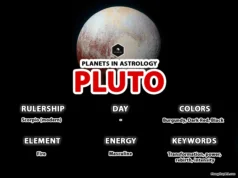
♇ Pluto
- Time to Transit Between Signs: 12–15 Years
- Rules: Scorpio
- Keywords: Transformation, Power, Death, Rebirth, Evolution
Pluto symbolizes power, transformation, and rebirth. As the modern ruler of Scorpio, it governs cycles of destruction and renewal, urging deep personal evolution and the courage to face inner shadows.
3. Planetary Meanings in Birth Charts
The planetary positions in astrology within a birth chart reveal how these energies interact with zodiac signs and houses. Each planet’s placement—its sign, house, and aspects—shapes specific life areas, from relationships to career. For example:
- Sun: Represents core identity and purpose, influencing how you express yourself.
- Moon: Governs emotions and instincts, shaping your inner world.
- Mercury: Drives communication and thought processes.
- Venus: Influences love, beauty, and financial matters.
- Mars: Fuels ambition, aggression, and physical energy.
- Jupiter: Brings luck, growth, and opportunities for expansion.
- Saturn: Imposes structure, challenges, and lessons of discipline.
- Uranus: Sparks innovation and sudden change.
- Neptune: Inspires creativity and spiritual insights.
- Pluto: Drives transformation and deep psychological shifts.
4. The Significance of Planets in Astrology
The astrological meaning of planets extends beyond individual signs, influencing broader life themes. Personal planets (Sun, Moon, Mercury, Venus, Mars) shape daily experiences and personality, while social planets (Jupiter, Saturn) govern societal roles and ambitions. Transpersonal planets (Uranus, Neptune, Pluto) affect generational trends and collective consciousness.
Planetary Aspects and Their Impact
Planetary aspects—angles formed between planets in a birth chart—amplify or temper their influences.
For instance, a harmonious trine between Jupiter and the Sun may enhance optimism and success, while a challenging square between Mars and Saturn could indicate struggles with discipline and aggression.
Exaltation, Detriment, and Fall
Each planet has signs where it is exalted (strongest), in detriment (weakened), or in fall (challenged).
For example, Jupiter is exalted in Cancer, enhancing emotional growth, but in detriment in Gemini, where its expansive nature may scatter focus. Understanding these placements adds depth to chart interpretations.
5. Practical Applications in Astrology
Understanding zodiac signs and their planets empowers you to interpret your birth chart and navigate life’s challenges. By analyzing planets in zodiac signs, you can uncover strengths, weaknesses, and potential growth areas.
For instance, knowing what planet is Gemini ruled by (Mercury) highlights communication as a key strength, while Jupiter’s meaning in astrology points to areas of luck and expansion.
Using Planetary Insights:
- Career: Saturn’s placement can reveal your approach to ambition and discipline.
- Relationships: Venus and Mars govern attraction and passion.
- Personal Growth: Jupiter and Pluto highlight areas for expansion and transformation.
- Emotional Well-being: The Moon guides emotional self-care and intuition.
6. Why Planets Matter in Your Horoscope
The planets in your horoscope offer a roadmap to understanding your unique cosmic blueprint. Whether you’re exploring zodiac signs and ruling planets or delving into planetary influences in your chart, these celestial forces provide clarity on your purpose, challenges, and opportunities. By aligning with their energies, you can make informed decisions and embrace your authentic self.
If this exploration of astrology and the planets has inspired you, share this article with others and rate it five stars to spread the cosmic wisdom!
Unlocking Essential Dignities in Astrology
Unlock Astrology Aspects: Your Birth Chart’s Hidden Connections
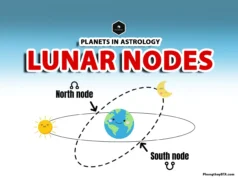
What Is My South Node? Unlock the Secrets of Lunar Nodes
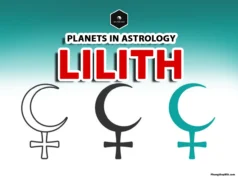
What Is My Lilith Sign? Discover Your Dark Moon Power
Discover Your Chiron Sign: Healing Through Astrology
Ceres in Astrology: Nurturing & Self-Care Insights
Pluto in Astrology: Power, Rebirth, Depth
Neptune in Astrology: Dreams, Illusion, Spirit
Uranus in Astrology: Innovation, Freedom, Change